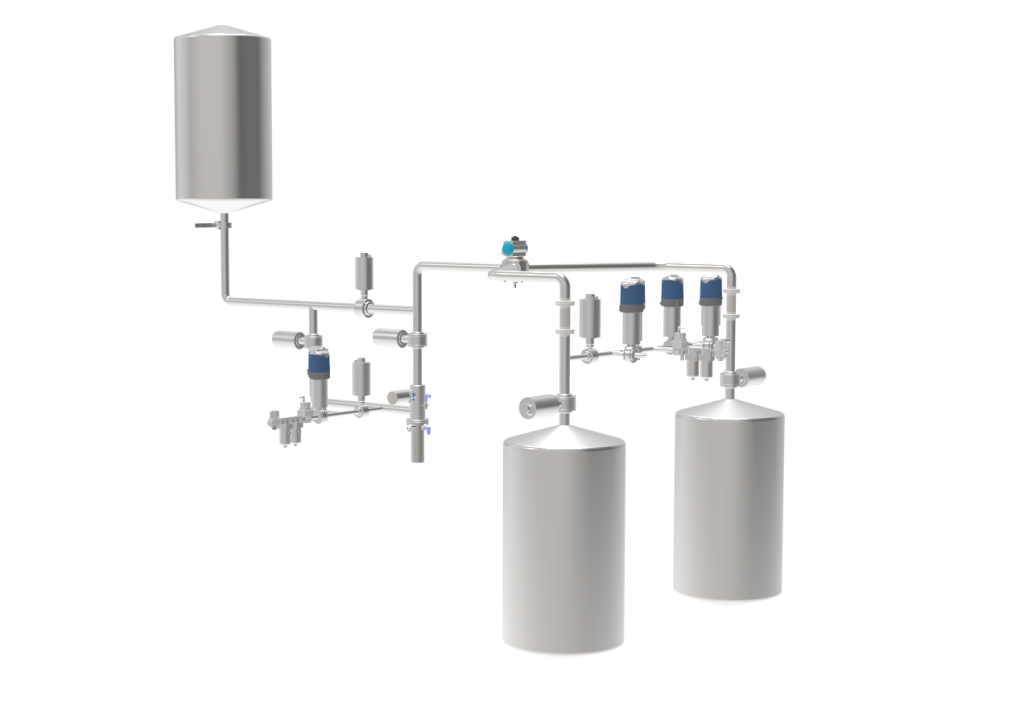
Imaginatively coordinating pipeline purifying activities profoundly enhances circulation productivity even though lowering deposits and pigging for pipeline cleaning guaranteeing physical firmness.
Duct scouring is a essential method for upholding the reliability of fuel carriers. This practice incorporates using a implement, often identified as a “pig,” to move through the pipe and remove deposits like scale, detect corrosion, and restore flow efficiency. Understanding the various types of pigging operations, from uncomplicated sphere pigs to more enhanced intelligent pigs with scanners, is essential for increasing pipeline durability and cutting functioning charges.
This Discipline of Pipeline Scouring Apparatus
One activity of pipeline cleaning, often executed with specialized tools known as runners, is a surprisingly refined area of research. These implements aren't just only brushes; their design and role are rooted in fluid dynamics and stuff science. Regularly, pigs are introduced into a pipe and travel with the flow of the article, incrementally removing build-up of wax, erosion, and other particles. Different types of pigs are used, each engineered to address unique challenges. For demonstration, electromagnetic pigs employ magnetic power to proceed through complex bends and ramps, while spongy pigs break clung deposits. The success of a pigging campaign is explicitly linked to appreciating the conduit's characteristics and selecting the compatible pig for the role.
- Pig Classes
- Gas Properties
- Element Compatibility
Upgrading The System Washing Strategy
To secure peak productivity of your facility, precise pipeline cleaning is absolutely important. Regularly monitoring your pipelines and implementing a methodical cleaning procedure can greatly reduce downtime and dodge costly adjustments. Consider merging preventative methods, such as periodic cleaning with appropriate solutions, and utilizing advanced systems like pigging or hydrojetting to discard buildup. A efficient cleaning regime will enhance pipeline longevity and raise overall performance success.
Refining for Pipeline Repair: Best Procedures
To confirm optimal passage operation, employing purging tactics is essential. Best standards involve consistent assessments of pig status and decision of the ideal type for the specific situation. Careful arrangement of mechanism size, substance, and movement framework is imperative. Furthermore, thorough record-keeping of scraping procedures and any recognized abnormalities is paramount for efficient pipe property governance.
Comprehend Pigging? Perceiving Pipeline Scouring Technology
Pigging, alternatively called pipeline survey technology, entails a crucial approach for maintaining the robustness of pipelines used for shifting liquids and gases. Essentially, a “pig” – regarded as a cylindrical mechanism – is launched through the pipeline to remove debris, scale, and corrosion that accumulates over time. This cleaning operation aids to reinstate flow operation, lessen the risk of defects, and elevate the viability of the integrated pipeline complex.
Classes of Line Scrubbing Devices: Choosing the Right Gadget
Various forms of duct purifying devices are available to address differing pipeline positions. Opposing apparatus transit in both paths, perfect for eliminating exclusive debris. Disk-shaped instruments are outstanding for clearing deposits from passage walls, while hair devices are intended for dealing with degradation and significant wax aggregation. Cellular devices leverage dedicated solution carriers to soften blockages, and magnetic apparatus enable advanced testing capabilities. As a result, thorough examination of line properties is necessary for picking the appropriate implement for the task.
Gains of Frequent Pigging for Pipeline Strength
Regular scraping events offer substantial favorable effects for pipeline condition. These programmed tools effectively dispose of deposits like hydrates and wear, which can reduce flow and impair the pipe’s framework. By finding deterioration early, pigging helps proactive maintenance, cutting the danger of costly crashes and securing the consistent effectiveness of the entire pipeline framework. This, in turn, expands throughput and cuts down operational costs.
This Step-by-Step Guide to the Pipeline Cleaning Process
To undertake the conduit cleaning operation, preliminarily, a complete review of the infrastructure is necessary. Then, the fitting cleaning technique is picked, which is capable of need methods like scraping or reagent operation. The pig is then precisely put into the passage and progressed along its extent. As the trip, the implement removes collected residues. Finally, the scrubbed gadget is retrieved, and a last review ascertains the tube’s cleanliness.
Diagnosing Common Issues in Pipeline Pigging
Addressing problems that appear during pipeline purging operations is required for continuing top flow effectiveness. Frequent concerns often revolve around sphere plugging within the conduit, which can be a result of build-up of deposits, hydrate accumulation, or displacement of the device. Proper examination often needs pressure checking, visual scrutiny of pig observation data, and potentially state-of-the-art equipment for tool extraction. Furthermore, challenges related to frayed cups or seals on the equipment also required immediate attention to prevent more important operational delays and costly adjustments.