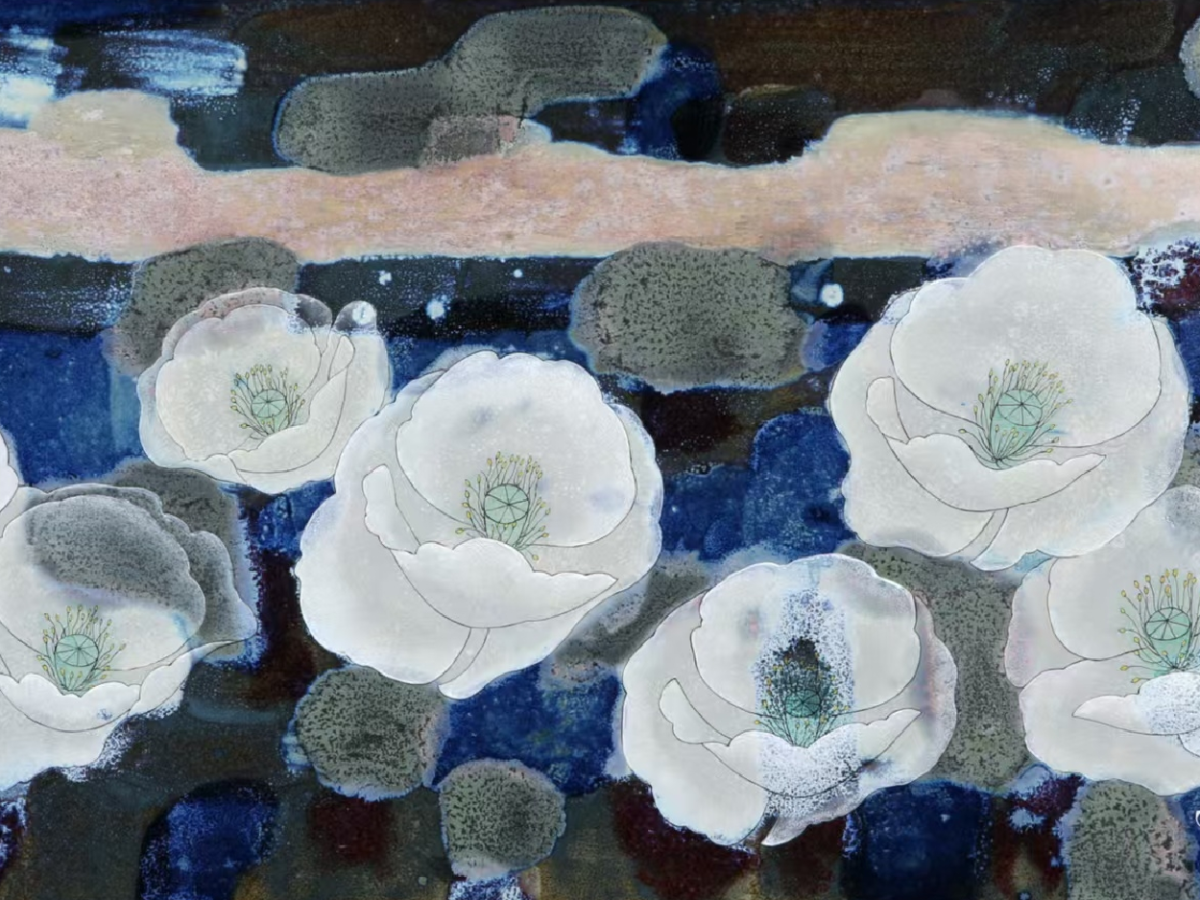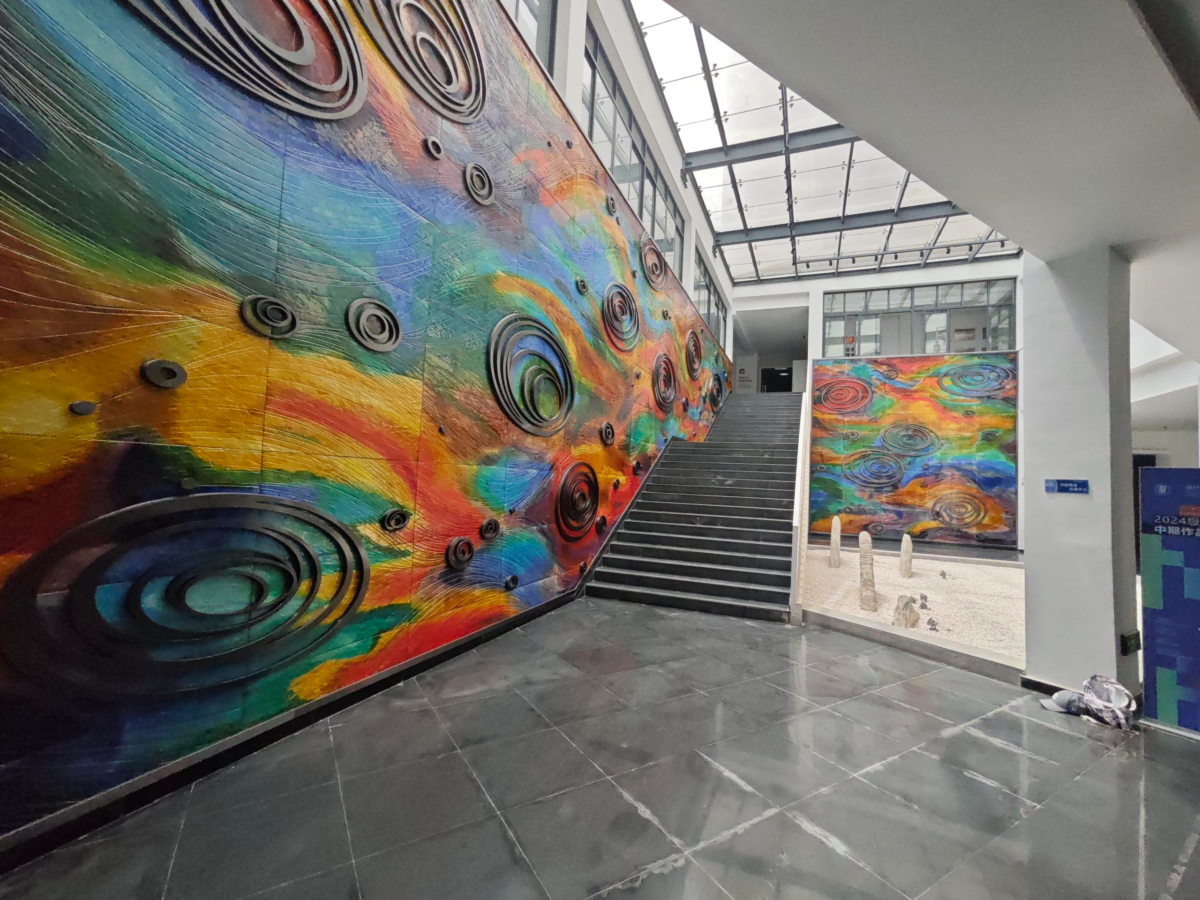
Ceramic carving represents a distinguished practice type with a considerable background, spreading back myriad of times. From ancient urns to modern setups, the material offers unique possibilities for creative demonstration. Artists use various techniques – including molding, wheel operating, and complex firing processes – to craft humble mud into aesthetic three-dimensional pieces. The endurance of fired brick also contributes to its status as a truly enduring part of human custom.
Investigating Stoneware Board Motifs and Practices
The world of ceramic panel design offers a ample array of creative possibilities. Craftsmen often exercise a variety of authentic and modern techniques to form visually stunning pieces. These can stretch from simple, sculpted reliefs to complex, multi-layered structures. Typical methods include mold making, hand crafting, glazing – which can involve multiple methods like painting beneath the glaze, final glaze adornment, and sgraffito where designs are uncovered by taking away a layer of enamel. Extra research into surface treatments such as the raku firing method and lustering can generate truly exceptional and bespoke clay signs.
- Shape Forming - Generating pieces using a model
- Manual Crafting - Directly shaping the clay
- Glaze Application - Applying the surface with a lustrous finish
- Sgraffito - Making visible designs by eroding covers
Mesmerizing Experiences: Stoneware Art Arrangements
The advancing landscape of craftsmanship presents exciting innovative avenues for audiences, and ceramic art installations are at the forefront of this development. These aren't just static figurines; they are engineered to envelop the viewer in a sensory setting. Imagine stepping into a forest of towering, glazed ceramic trees, or navigating a mesh of detailed ceramic vessels. Many designers are now incorporating music, light, and even bouquet to enhance the impression of their work. Picture the power of a room filled with hundreds of individually ceramic artifacts, each telling a legend. Regularly, such installations explore themes of flora and fauna, nostalgia, and humankind.
- These particular installations blur the frontiers between work and architecture.
- Viewing a ceramic art installation can be a deeply meaningful journey.
- Artists are exploring the constraints of what is possible with clay.
Such Grace of the Brick Jar: Purpose and Outline
The earthenware receptacle represents a admirable blend of efficiency and artistic appeal. Historically, these jars served a basic mission in storing objects, but their progression has transformed them into highly valued works of handiwork. Each creation showcases the mastery of the craftsman, demonstrating how outline can be as significant as utility. The deliberate shaping, the one-of-a-kind glazes, and the full presence of a exquisitely-finished container can boost a space, offering both charm and a reserved reminder of the artistic hand.
Up-to-date Brick Art : Stretching Perimeters
Modern earthenware figure represents a fascinating shift from historical practices. Craftsmen are enthusiastically innovating with original tactics, mixing the distinctions between pottery and distinct aesthetic spheres. From large installations to delicate miniature pieces, aforementioned works analyze themes of background while at the same time revolutionizing the core of what terracotta can manifest. The upshot is a dynamic field of imaginative manifestation.
Stoneware Panel: Upholding Record in Stoneware
Brick plaques offer a singular method for documenting significant events and people. Differing from traditional metal or stone markers, these long-lasting pieces of craftsmanship are formed from hardened clay, creating a physical link to the bygone era. Frequently, they display intricate reliefs or carefully illustrated imagery, expressing stories that might otherwise be ignored. These technique, coming Jingdezhen Ceramic Cup Set from ancient peoples, provides a visually appealing and enduring way to commemorate our collective story.
- These particular can be established in collective spaces.
- A multitude of are now classified historical treasures.
Pottery Art Installations: Transforming Sites
Stoneware art installations are developing a compelling medium for artists to reconstruct public and private areas. These immersive creations frequently involve expansive clay designs that absorb viewers, altering their understanding of the engineered environment. By applying diverse processes like hand-building and complicated firing approaches, ceramic artists produce truly extraordinary experiences, removing the lines between form and structure. The result is often a strong shift that strengthens the decorative quality of the place and initiates exchange.
Outset Rotating Wheel to Marvel: The Trade of the Earthenware Receptacle
The journey of a pottery vessel from a simple lump of soil to a finished work of mastery is a testament to human ingenuity. Originally, the process starts with the potter’s spin wheel, where the experienced artisan carves the rotating earth into a cylindrical form. This primary section demands exactness and a acute eye, followed by a delicate hardening period. Once rough-fired, the vessel is ready for enhancement, which may embrace applying intricate sketches, carving detailed views, or implementing a assortment of enamels. The closing baking process then converts the artifact into a durable and stunning urn, a tangible symbol of the potter's vision.
Working with Stoneware: A Primer to Pottery Work
Immersing the landscape of ceramic creation begins with learning the tenets of molding with earthenware. Such system includes carefully building and reducing components to make three-dimensional models. If you're a beginner or a experienced craftsperson, testing with distinct categories of terracotta – notably brick – will promote you discover your individual approach. In the end, clay crafting is a gratifying experience that integrates professional proficiency with original communication.