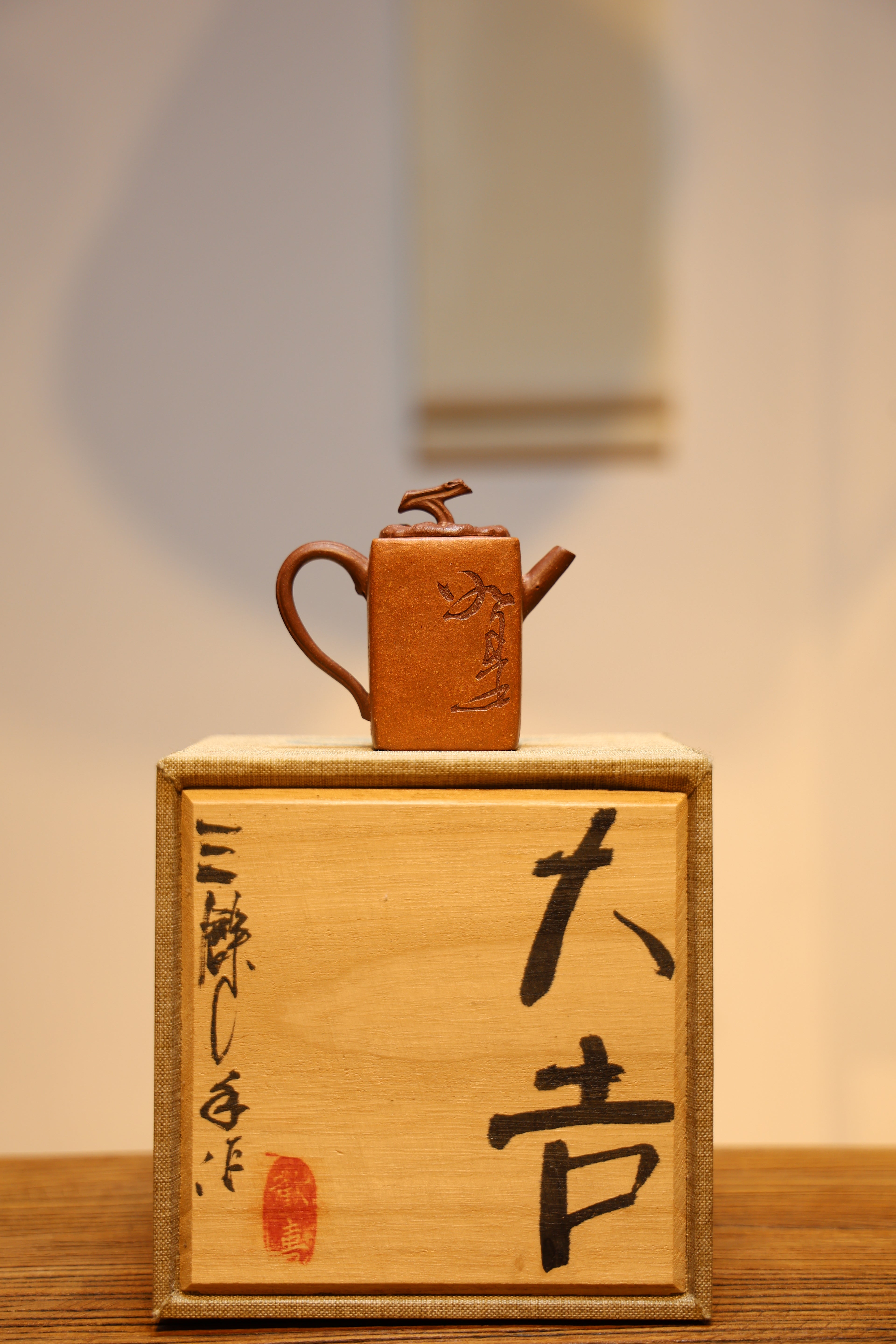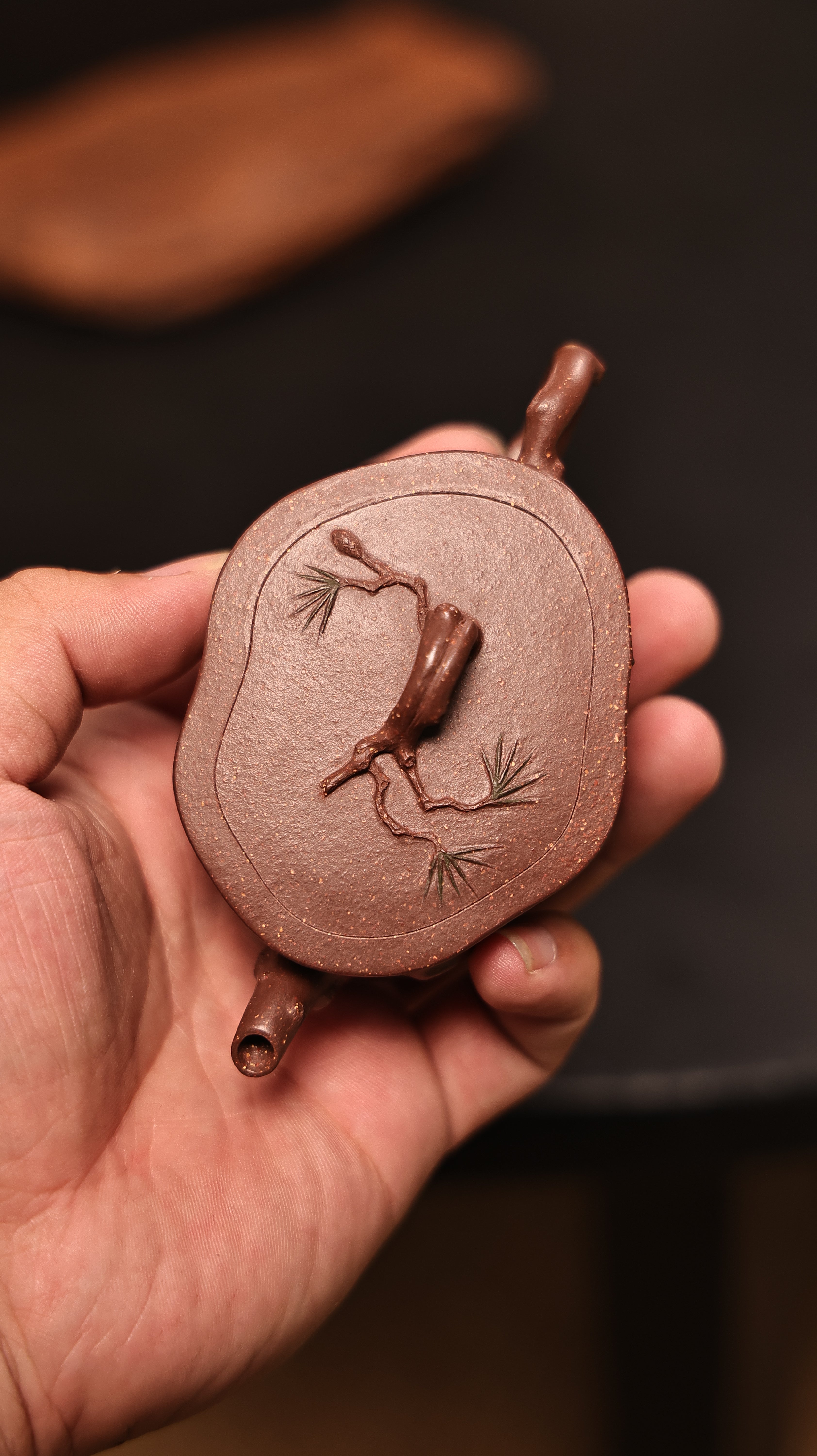
Within the sphere of enduring traditions,
Following epochs, enthusiasts have been fascinated by the uncommon charm of Yixing Zisha kettles. Originating from the area of Yixing in China, these wares are renowned for their distinguished beauty, exclusive clay, and built-in ability to refine the taste of the infusion. The material's distinctive mahogany hue, combined with the adept manufacture of provincial fabricators, creates artworks that are both functional art and precious assets. Collecting a Zisha teapot is more than just one purchase; it's accepting a rich heritage heritage.
Decoding Yixing Teapots: Evolution, Classifications, and Significance
The renowned Yixing teapots serve as a deep heritage deeply intertwined with Chinese culture. Deriving in the Yixing region of Jiangsu province, these clay vessels hold a heritage going back to the Ming Dynasty. Original examples were functional, but across centuries, Yixing teapot production evolved into an esteemed art form. The clay itself, known for its unique texture and ability to improve the flavor of the tea, continues a defining factor. Yixing teapots surface in various models, broadly categorized by shape: Standard Yixing Teapot such as Zhuni (purple clay) and Bisheng, as well as advanced designs. The price of a Yixing teapot depends on several factors, including the potter’s reputation, the age of the piece, the rarity of the clay, and its aesthetic grace.- Record: Ancient times
- Substance: Various types
- Worth Components: Age
Zisha Pot Creation: Strategies and Potters
One production of a genuine Zisha teapot is a demanding process, requiring periods of expertise. Proficient artisans meticulously extract the highest quality Zisha clay, a unique earth found only in specific regions of China. Longstanding techniques, often handed down through families, involve precise shaping, fine carving, and gradual firing in ancient incinerators. The concluding teapot isn't merely a container; it's a testament to expressive vision and the meaningful connection between the sculptor and their ancestry. Each item showcases the singular touch of the potter, resulting in a truly rare work of expression.
Eastern Earthenware: Discovering the Broad Heritage of the Yixing Territory
This Yixing, established in Jiangsu the region, is broadly renowned for its exceptional vessels – a tangible representation of centuries of Chinese artisanry. These aren't merely vessels for preparing tea; they are intricate works of expertise, often reflecting cultural ideals. That unique purple clay, known as Zisha, possesses remarkable qualities: the substance dense, diffusive, and imparts a subtle character to the tea.
- Diverse families have honed the techniques of Yixing jar making, passing down cherished methods through ages.
- Admirers prize these pieces for their charm and uniqueness.
- Various teapot tells a history, connecting the tea lover to a rich past.
Exploring Yixing Zisha: Key Considerations
During analyzing procuring Yixing Zisha vessels, countless parameters command careful attention. Initially, the element's pigment is essential; authentic Zisha typically exhibits a characteristic rust-colored nuance. Also, consider the handiwork; well-defined features and a elegant overlay reveal proficient making. Eventually, consider the artist’s history; celebrated names fetch increased premiums and often guarantee a stable return.
Zisha Teapot Tea Brewing Mastery
Producing appetizing tea with a Zisha pitcher is more over a simple habit; it's an specialty. Zisha clay, noted for its unique natural composition, imparts a gentle character to the finalized tea that’s often missing with other pots. The proper water temperature is vital; typically, moderated than what's used for black tea, to sustain the tea's odor and note. Consider diligently the tea selection; delicate green teas or aged pu-erhs thrive from the Zisha’s ability to soften their basic edge. It’s pivotal to condition the teapot preceding brewing, and to shun over-steeping. Mastering this skill leads to a sincerely exceptional tea enjoyment.
- Understanding Zisha Clay
- Thermal Measure & Tea Sort
- Necessity of Preheating
Safeguarding Your This Teapot
In an effort to maintain the lifespan of your treasured Yixing container, careful maintenance is fundamentally crucial. Never using harsh substances; instead, mildly rinse it with comfortably warm solution. Avoid rapid heat; refrain set the urn directly onto a searing surface. Periodically, enrich the clay pot by filtering it with premium specialty beverage, as this helps to increase its character and shields the unique features of the material.
Relating to Earthenware to Drinkware: The Path of a Famous Teapot
This creation of a Zisha teapot is a notable procedure, a representation to both the world's bounty and the finesse of the maker. It launches with the careful extraction of the exclusive clay from the crimson Zisha mines close to Yixing. This pure material, known for its exceptional attributes, is then steadily purified and molded for the foundational forming. The pot's configuration is precisely fashioned using a union of established hand-building processes, often incorporating fancy enhancements. Following curing, the container undergoes a fundamental first firing, subsequent by a surface treatment stage, which might involve numerous layers of authentic Zisha paints. Finally, a second, and sometimes third, firing at high temperatures perfects the artifact, revealing its perfected beauty and magnificent characteristics - a honest masterpiece, available to enrich a tea event.
{Yixing Teapots: A Manifestation of a Way of Life and Appreciation
This Yixing teapots, originating from the celebrated Yixing region of Jiangsu province, are far more than mere receptacles for brewing elixirs; they represent a meaningful aspect of Chinese civilization. Fabricated from distinctive purple clay – zisha – these distinctive teapots are highly appreciated for their ability to amplify the flavor of the tea and, crucially, for their beauty. The history of Yixing teapot making spans centuries, and the skill involved is inherited through generations, making each teapot a beautiful object that embodies classical techniques and a profound appreciation for the refined pleasures in life.