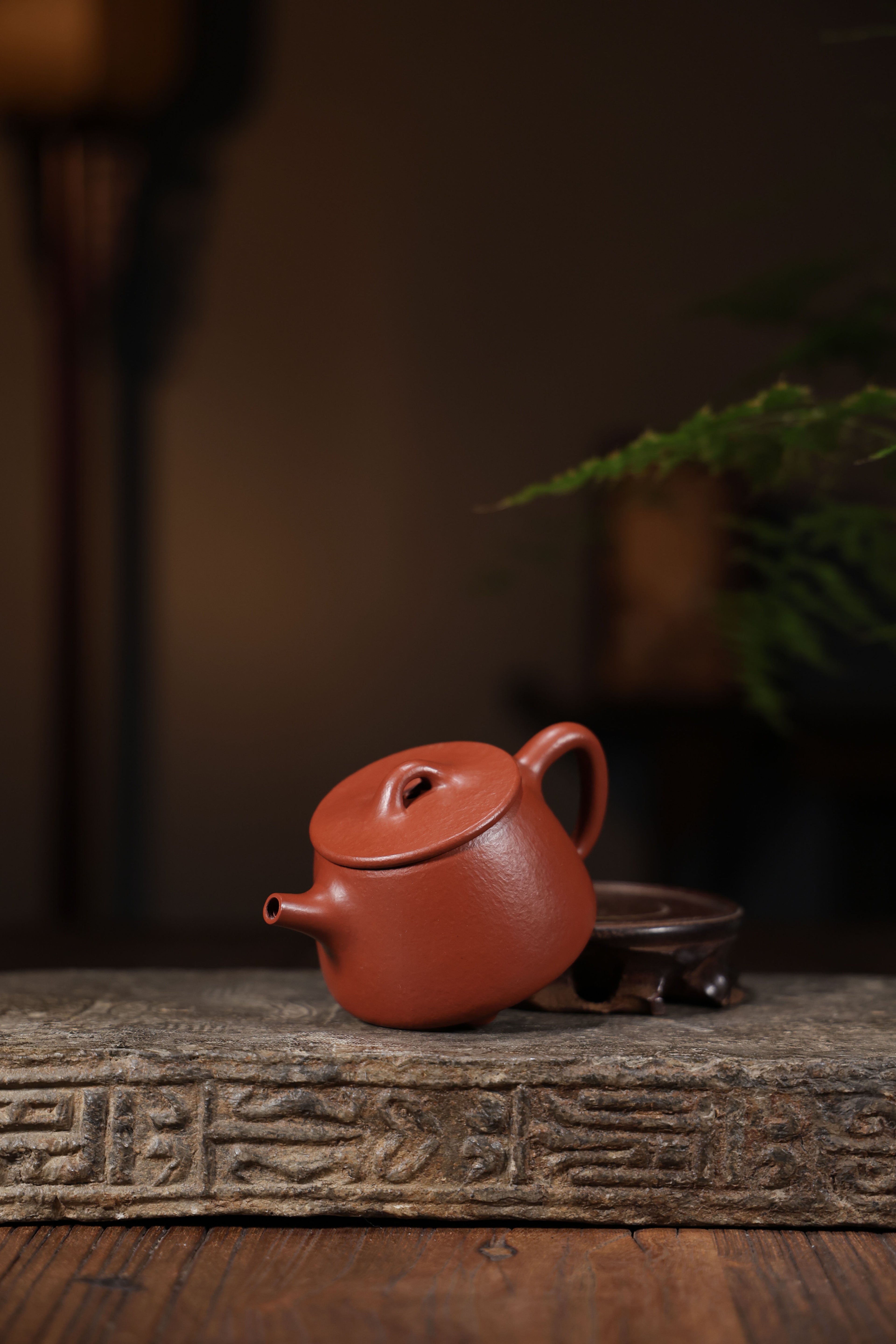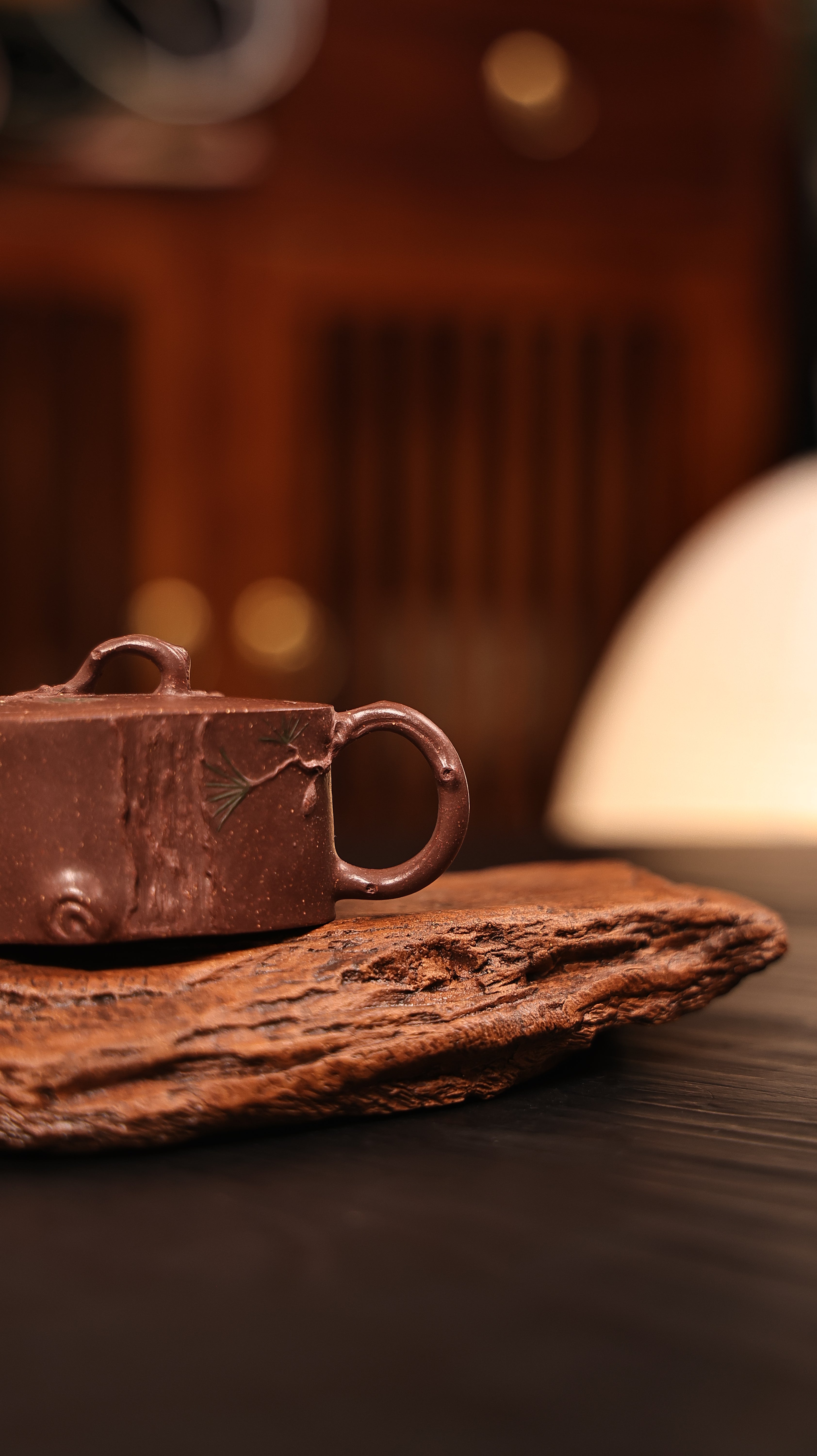
Throughout countless generational spans,
Amidst eras, gatherers have been mesmerized by the singular charm of Yixing Zisha containers. Originating from the district of Yixing in Jiangsu, these pieces are renowned for their outstanding beauty, infrequent clay, and essential ability to boost the palate of the concoction. The ground's distinctive auburn hue, combined with the skillful production of environmental fabricators, creates artworks that are at once functional objects and treasured endowments. Securing a Zisha teapot is more than just specific purchase; it's seizing a rich ethnic heritage.
Grasping Yixing Teapots: Chronicles, Classifications, and Significance
Yixing region's teapots embody a vast tradition deeply intertwined with Chinese culture. Originating in the Yixing region of Jiangsu province, these clay vessels carry a heritage connecting back to the Ming Dynasty. Preliminary examples were functional, but amidst centuries, Yixing teapot manufacturing evolved into an esteemed art form. The clay itself, known for its unique character and ability to improve the flavor of the tea, continues a defining factor. Yixing teapots emerge in various patterns, broadly categorized by shape: Conventional such as Zhuni (purple clay) and Bisheng, as well as more designs. The significance of a Yixing Purple Clay Teapot teapot rests on several factors, including the potter’s renown, the age of the piece, the rarity of the clay, and its aesthetic quality.- Story: Old ages
- Earth: Bisheng
- Worth Components: Potter’s reputation
Zisha Teapot Mastery: Art and Makers
The fabrication of a real Zisha teapot is a complex process, requiring extensive times of proficiency. Master artisans meticulously procure the highest quality Zisha clay, a singular earth found only in specific regions of China. Conventional techniques, often inherited through families, involve detailed shaping, delicate carving, and calm firing in ancient hearths. The final teapot isn't merely a jar; it's a testament to aesthetic vision and the profound connection between the artisan and their inheritance. Each item showcases the singular touch of the artisan, resulting in a truly singular work of pottery.
Classical Ceramics: Understanding the Vast Institutions of Yixing Area
Celebrated Yixing, nestled in Jiangsu the expanse, is internationally renowned for its exceptional cookware – a tangible representation of centuries of Chinese art. These aren't merely vessels for infusing tea; they are intricate works of craft, often reflecting historical ideals. Such unique purple clay, known as Zisha, possesses remarkable qualities: the substance dense, diffusive, and imparts a subtle taste to the tea.
- Various tribes have honed the techniques of Yixing ceramic making, passing down hereditary methods through successions.
- Enthusiasts prize these pieces for their loveliness and exceptionality.
- Every container tells a account, connecting the partaker to a rich legacy.
Exploring Yixing Zisha: What to Look For
As examining collecting Yixing Zisha earthen pots, multiple aspects necessitate careful inspection. In the first place, the clay’s tone is vital; authentic Zisha ordinarily exhibits a identifiable auburn hue. Furthermore, inspect the technique; distinct aspects and a polished covering suggest expert making. Eventually, consider the artist’s history; esteemed names bring elevated costs and often deliver a stronger gain.
Crafting Tea with Zisha Clay Vessels
Making flavorful tea with a Zisha pot is more exceeding a simple ritual; it's an craft. Zisha clay, renowned for its unique mineral composition, imparts a elegant character to the crafted tea that’s often deficient with other utensils. The ideal water degree is required; typically, gentler than what's used for black tea, to maintain the tea's fragrance and nuance. Consider conscientiously the tea kind; delicate green teas or aged pu-erhs excel from the Zisha’s ability to smooth their inherent edge. It’s important to condition the teapot preceding brewing, and to refrain from over-steeping. Mastering this practice leads to a truly exceptional tea instance.
- Learning Zisha Clay
- Water Warmth & Kind of Tea
- Significance of Pre-heating
Maintaining Your Yixing Earthenware
So as to guarantee the life of your cherished Yixing clay pot, ongoing servicing is vitally key. Abstain from using detergent; instead, tenderly flush it with hot aqueous substance. Refrain from immediate fluctuations; don't position the clay pot directly onto a thermally active burner. Periodically, develop the kettle by brewing it with top-notch black concoction, as this assists to amplify its patina and maintains the distinctive qualities of the component.
Regarding Element to Mug: The Voyage of a Purple Kettle
The creation of a Zisha teapot is a impressive process, a proof to both nature's bounty and the ability of the handworker. It commences with the thorough extraction of the unique clay from the magenta Zisha mines by Yixing. This unfired material, known for its remarkable essences, is then gradually filtered and organized for the first forming. The jug's silhouette is carefully developed using a aggregation of ancient modeling systems, often incorporating sophisticated embellishments. Following maturing, the urn undergoes a critical first firing, preceded by a finishing stage, which might involve a series of layers of pure Zisha slips. Finally, a second, and sometimes third, firing at extreme temperatures finalizes the product, revealing its finished beauty and fantastic characteristics - a genuine masterpiece, prepared to adorn a tea practice.
{Yixing Teapots: A Reflection of a Customary Practice and Appreciation
The Yixing region teapots, originating from the well-known Yixing region of Jiangsu province, are far more than mere wares for brewing elixirs; they represent a meaningful aspect of Chinese society. Fabricated from distinctive purple clay – zisha – these distinctive teapots are highly appreciated for their ability to enhance the flavor of the tea and, crucially, for their beauty. The history of Yixing teapot making spans centuries, and the skill involved is inherited through generations, making each teapot a artistic creation that embodies classical techniques and a profound appreciation for the understated pleasures in life.