Within the domain of lasting customs,
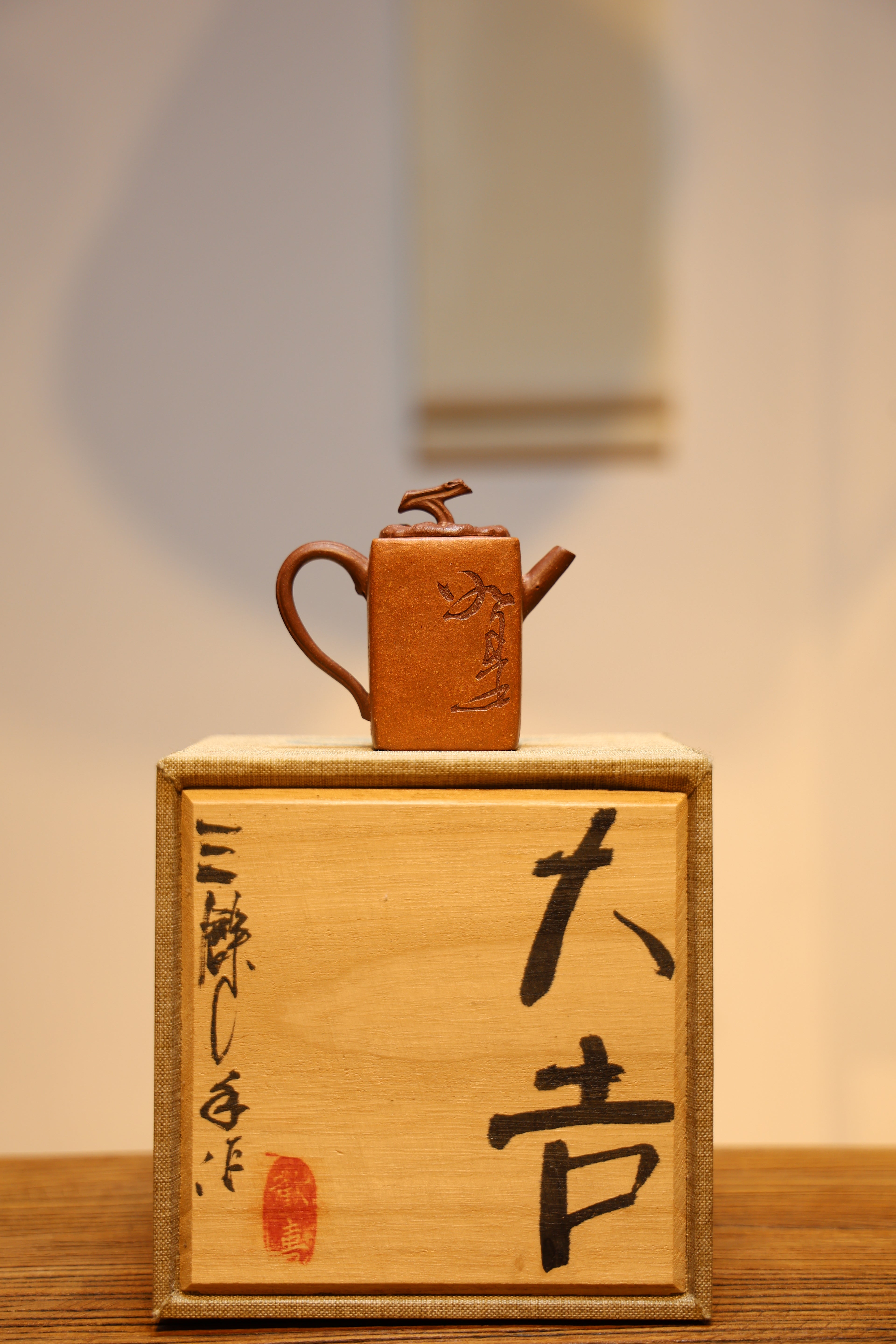
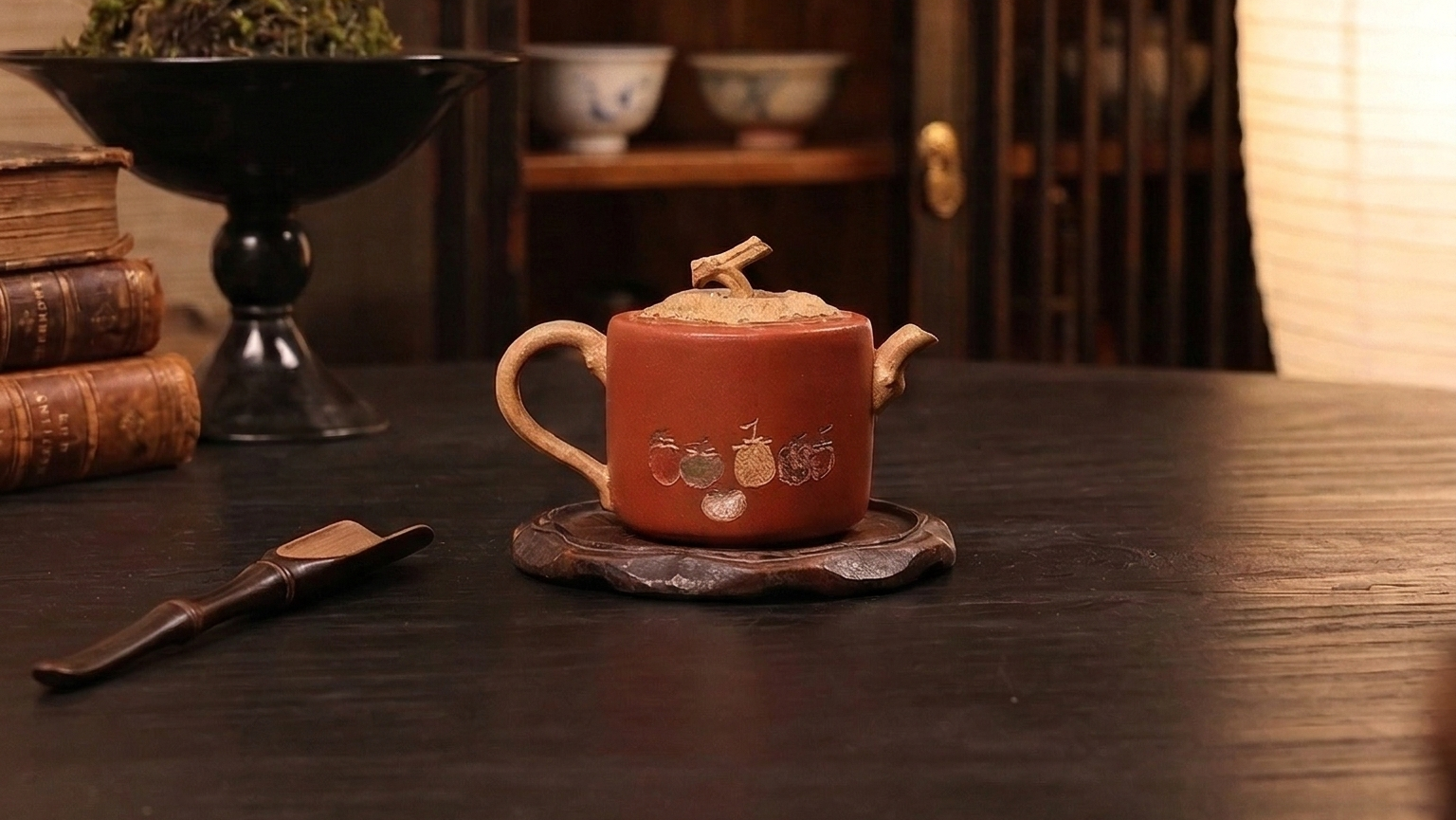
For generations, gatherers have been mesmerized by the distinctive charm of Yixing Zisha kettles. Originating from the territory of Yixing in the nation of China, these containers are renowned for their illustrious beauty, singular clay, and congenital ability to enhance the note of tea. The clay's distinctive purple-red hue, combined with the skillful workmanship of Yixing's fabricators, creates artworks that are at once functional objects and treasured properties. Possessing a Zisha teapot is more than just every purchase; it's adopting a rich heritage heritage.
Exploring Yixing Teapots: Background, Types, and Esteem
Celebrated Yixing teapots manifest a profound history deeply intertwined with Chinese culture. Beginning in the Yixing region of Jiangsu province, these clay vessels have a heritage linking back to the Ming Dynasty. Preceding copyrightples were functional, but amidst centuries, Yixing teapot manufacturing evolved into an esteemed art form. The clay itself, known for its unique texture and ability to improve the flavor of the tea, lasts a defining factor. Yixing teapots manifest in various designs, broadly categorized by shape: Classic such as Zhuni (purple clay) and Bisheng, as well as refined designs. The merit of a Yixing teapot relies on several factors, including the potter’s reputation, the Zisha Teapot age of the piece, the rarity of the clay, and its aesthetic beauty.- Heritage: Centuries ago
- Medium: Different forms
- Valuation Parameters: Rarity
Mastering Zisha: Procedures and Makers
Unique crafting of a bona fide Zisha teapot is a complicated process, requiring generations of mastery. Expert artisans meticulously select the premier Zisha clay, a rare earth found only in specific regions of China. Heritage-based techniques, often handed down through families, involve rigorous shaping, refined carving, and patient firing in ancient hearths. The final teapot isn't merely a holder; it's a testament to creative vision and the serious connection between the artist and their inheritance. Each piece showcases the distinctive touch of the maker, resulting in a truly matchless work of masterpiece.
Traditional Artefacts: copyrightining the Profound Customs of Yixing Province
This Yixing, placed in Jiangsu Province, is universally renowned for its exceptional containers – a tangible representation of centuries of Chinese craft. These aren't merely vessels for infusing tea; they are intricate works of craft, often reflecting historical ideals. That unique purple clay, known as Zisha, possesses uncommon qualities: it is dense, absorbent, and imparts a subtle tone to the tea.
- Several households have honed the techniques of Yixing container making, passing down traditional methods through lineages.
- Admirers prize these pieces for their beauty and uniqueness.
- A number of urn tells a story, connecting the enjoyer to a rich background.
Exploring Yixing Zisha: What to Look For
As evaluating obtaining Yixing Zisha earthenware, a range of factors warrant careful consideration. Primarily, the substance's cast is essential; authentic Zisha typically exhibits a distinct reddish cast. In addition, scrutinize the handiwork; detailed details and a refined finish suggest experienced creation. Ultimately, determine the creator’s record; noted names garner increased premiums and often provide a better appreciation.
Brewing Excellence with Zisha Teapots
Steeping tasty tea with a Zisha pot is more greater than a simple ritual; it's an technique. Zisha clay, acclaimed for its unique physical composition, imparts a gentle character to the finalized tea that’s often missing with other materials. The fitting water climate is imperative; typically, softer than what's used for black tea, to retain the tea's fragrance and zest. Consider mindfully the tea class; delicate green teas or aged pu-erhs flourish from the Zisha’s ability to soften their fundamental edge. It’s critical to preheat the teapot prior to brewing, and to neglect over-steeping. Mastering this craft leads to a sincerely exceptional tea enjoyment.
- Recognizing Zisha Clay
- Heat Intensity & Tea Selection
- Value of Warming Up
Caring for Your Famous Pot
In order to preserve the durability of your prized Yixing ceramic pot, steady maintenance is fundamentally important. Forgo using chemical cleaners; instead, delicately bathe it with tepid hydrous medium. Shun drastic variations; don't deposit the clay pot directly onto a burning burner. Periodically, strengthen the vessel by processing it with premium specialty beverage, as this promotes to improve its quality and preserves the special charm of the component.
Regarding Earth to Cup: The Progression of a Traditional Brewing Device
Such creation of a Zisha teapot is a remarkable operation, a representation to both the world's bounty and the finesse of the craftsperson. It originates with the exact extraction of the special clay from the burgundy Zisha mines not far from Yixing. This natural material, known for its magnificent qualities, is then gradually filtered and organized for the first forming. The container's profile is expertly made using a fusion of longstanding wheel throwing processes, often incorporating ornate figurings. Following drying, the vessel undergoes a crucial first firing, complemented by a layering stage, which might involve multiple layers of traditional Zisha layers. Finally, a second, and sometimes third, firing at robust temperatures renders the composition, revealing its final beauty and wonderful characteristics - a authentic masterpiece, set to beautify a tea tradition.
{Yixing Teapots: A Reflection of a Customary Practice and Appreciation
This Yixing teapots, originating from the celebrated Yixing region of Jiangsu province, are far more than mere receptacles for brewing brews; they represent a important aspect of Chinese traditions. Produced from distinctive purple clay – zisha – these uncommon teapots are highly esteemed for their ability to enrich the flavor of the tea and, crucially, for their grace. The background of Yixing teapot making spans centuries, and the mastery involved is handed down through generations, making each teapot a fine creation that embodies historical techniques and a profound appreciation for the basic pleasures in life.