
Is higher GSM always better for luxury sweatpants?
A heavyweight hoodie or a pair of 500gsm sweatpants looks simple on a rack, but most production problems start before sewing even begins. In recent years, the streetwear industry has become obsessed with a single metric: GSM (Grams per Square Meter). Brands slap "500 GSM Heavyweight Fleece" on their tech packs and marketing materials, assuming that a higher number automatically guarantees a premium, luxury feel. This fixation has turned a basic fabric measurement into a proxy for quality, leading many product development teams to make critical sourcing errors that only become obvious when the bulk order arrives.
The reality of streetwear manufacturing is far more complex than a single weight specification. An exceptionally heavy fabric with poor yarn quality, inadequate shrinkage control, or unstable wash execution will feel stiff, drape awkwardly, and shrink unevenly after the first wash. The true technical difficulty in custom streetwear development is not sourcing heavy fabric; it is engineering that fabric to hold a specific silhouette, survive aggressive wash techniques, and maintain sample-to-bulk consistency across thousands of units. Procurement teams for established streetwear brands need to look past the GSM trap and evaluate the entire production ecosystem.
What does GSM actually measure in luxury sweatpants production?
GSM simply measures the physical weight of a one-meter by one-meter square of fabric. It does not measure softness, durability, drape, or yarn quality. A 400gsm fabric made from low-grade, short-staple cotton will feel rough and pill quickly, while a 320gsm fabric knitted from premium long-staple combed cotton will feel luxurious, hold its shape, and perform better over time.
When product development teams evaluate fabric sourcing options, they often mistake weight for density. GSM is just a raw mass calculation. It tells you how heavy the fabric is, but it tells you nothing about the construction of the knit. For example, a French Terry fabric and a brushed fleece fabric can both weigh 450gsm, but they will behave entirely differently on the sewing floor and on the human body.
The yarn quality plays a much larger role in the final hand feel than the weight alone. Premium streetwear production relies on combed or ring-spun cotton, where shorter fibers and impurities are removed before spinning. This creates a smoother, stronger yarn. If a factory uses lower-grade, open-end carded yarn to hit a high GSM target, the resulting sweatpants might be heavy, but they will lack the refined drape and soft hand feel expected by the consumer. Furthermore, the knitting tension matters. A loosely knitted fabric can achieve a high GSM if thick yarns are used, but it will lack structural integrity and be prone to excessive shrinkage and bagging out at the knees.
Does higher GSM always mean better quality in premium sweatpants?
No. Pushing GSM too high without adjusting the pattern engineering or considering the garment's intended drape often ruins the fit. Extremely heavy fabrics can create bulky, rigid seams that bunch uncomfortably, throw off the silhouette balance, and make the sweatpants feel like stiff armor rather than luxury loungewear.
There is a point of diminishing returns when increasing fabric weight. Many independent brands with real traction assume that jumping from 350gsm to 500gsm will instantly elevate their product into the luxury tier. However, this decision often introduces severe manufacturing challenges. Heavyweight fabrics require specialized cutting equipment, heavy-duty sewing needles, and adjusted sewing tolerances. If a general apparel factory attempts to sew 500gsm fleece using standard machinery, the result is often skipped stitches, broken needles, and uneven seams that pucker after washing.
Moreover, higher GSM drastically affects the pattern development process. You cannot take a tech pack designed for a 300gsm fabric and simply substitute a 500gsm fabric without re-engineering the pattern. The added thickness consumes more ease, making the garment fit tighter than intended. The drape also changes completely; heavy fabrics fall straight down and do not conform to the body as easily. This can lead to silhouette imbalance, where the sweatpants look excessively boxy or rigid. For established streetwear brands, the goal should be finding the optimal weight that supports the intended fit, rather than blindly chasing the highest possible number.
What happens between fabric spec and finished sweatpants in bulk production?
The gap between an approved fabric swatch and a finished bulk order is where most production failures occur. Real custom streetwear development requires rigorous tech pack review, pattern adjustment for shrinkage, pre-production sampling, and strict bulk cutting controls to ensure that the heavy fabric behaves consistently across all sizes.
The production process for premium sweatpants is highly technical. It begins with a thorough tech pack review, where a specialized streetwear factory evaluates the design intent against the reality of the chosen fabric. If the design calls for complex seam work or heavy distressing on a 450gsm fabric, the factory must anticipate how the fabric will react. Next comes pattern development. Because heavyweight cotton fabrics are notorious for shrinkage, the factory must conduct shrinkage testing before finalizing the pattern. If the fabric shrinks 5% in length and 3% in width after washing, the pattern must be graded larger to compensate.
Once the fabric is sourced and the pattern is adjusted, the factory moves to sampling. This is where print, wash, and embroidery testing occur. Heavyweight fabrics absorb dyes and washes differently than lighter fabrics, and dense fleece can make embroidery pucker if not stabilized correctly. After the pre-production sample is approved, bulk cutting begins. This is a critical stage; cutting heavyweight fabric in stacks that are too high can cause the bottom layers to shift, resulting in size discrepancies. Finally, sewing, finishing, and final inspection must all adhere to strict tolerances. The most common supply chain problems—such as sample-to-bulk mismatch, wrong graphic placement, trim substitution, and batch-level variation—usually stem from a lack of control during these intermediate steps.
Why does GSM behave differently in heavyweight fleece versus French Terry sweatpants?
GSM is not a universal standard across different knit structures. A 400gsm French Terry features unbrushed loops on the inside, providing a structured, breathable drape. A 400gsm brushed fleece has a fuzzy interior, making it feel thicker and warmer, but it often drapes more softly and is more prone to pilling.
Understanding the difference between fabric constructions is vital for procurement teams. French Terry and brushed fleece are the two dominant fabrics in streetwear sweatpants production, but they handle weight very differently. French Terry is knitted with loops on the back side. Because these loops are left intact, the fabric maintains a high level of structural integrity and breathability. A heavyweight French Terry (e.g., 400gsm to 500gsm) feels incredibly substantial, almost architectural, making it ideal for wide-leg pants or structured, oversized fits where the garment needs to hold its shape away from the body.
Brushed fleece, on the other hand, starts as a looped fabric but undergoes a mechanical brushing process on the inside to break the loops and create a soft, fuzzy texture. This brushing process actually removes a small amount of weight and weakens the fabric slightly. To achieve a 400gsm finished fleece, the initial knit must be heavier. While brushed fleece feels softer and warmer against the skin, it generally has less structural rigidity than French Terry of the same weight. It tends to drape more softly and can sometimes look slouchy if the pattern is not engineered correctly. Furthermore, the brushed interior is more susceptible to pilling over time, especially if the base yarn quality is subpar.
What should established streetwear brands actually check before approving a luxury sweatpants sample?
Procurement teams must evaluate more than just the fabric weight. A proper sample review should assess the hand feel, verify the shrinkage control after a wash test, check the ribbing match, examine the seam construction for bulkiness, and ensure the silhouette remains balanced when worn.
When evaluating a sample, the GSM is the least important thing to check—you already specified that in the tech pack. Instead, focus on execution. First, assess the fabric hand-feel differences between the raw swatch and the finished garment, especially if the sweatpants have undergone an enzyme wash or stone wash. The wash process can alter the texture significantly.
Second, conduct an independent shrinkage test. Wash and dry the sample according to the care label instructions and measure it against the original specs. If the sweatpants shrink unevenly or twist at the side seams (leg twist), the factory has failed to control the fabric tension during cutting or sewing.
Third, inspect the trims and finishing. The ribbing at the waistband and cuffs must match the body fabric in both color and weight. A common cost-cutting measure is using flimsy ribbing on a heavyweight garment, which causes the waistband to lose elasticity quickly. Examine the seam construction, particularly at intersections like the crotch gusset. If the factory has not adjusted their sewing techniques for heavyweight fabric, these areas will be overly bulky and uncomfortable. Finally, check the sample-to-bulk alignment potential. Ask the manufacturer how they plan to maintain this exact wash consistency and fit across a run of thousands of units.
For brands looking at China-based technical production, finding a partner that understands these nuances is crucial. A specialized , such as , focuses on repeatable sample-to-bulk execution, ensuring that complex techniques and premium fabrics are handled with bulk-ready control rather than just producing a single good-looking sample. Ultimately, luxury sweatpants are not defined by a single number on a spec sheet. They are the result of meticulous fabric sourcing, precise pattern engineering, and a manufacturing partner capable of executing complex streetwear requirements consistently at scale.
How do wash techniques change bulk production risk for heavyweight sweatpants?
Wash techniques add a layer of unpredictability to heavy fabrics. Acid wash, stone wash, or enzyme wash can drastically alter the final GSM, hand feel, and dimensions. The true challenge is maintaining wash consistency across a bulk run without degrading the structural integrity of the premium fleece.
Many established streetwear brands incorporate complex wash techniques to achieve a vintage or distressed aesthetic. However, applying these techniques to heavyweight sweatpants requires a deep understanding of fabric chemistry and mechanical stress. An enzyme wash, for instance, uses biological enzymes to eat away at the cellulose in the cotton, softening the fabric and giving it a slightly worn look. While this improves the hand feel, it also reduces the fabric's weight and strength. A fabric that starts at 450gsm might drop to 420gsm after an aggressive wash. If the product development team does not account for this weight loss during the sourcing phase, the final product will feel lighter and less substantial than intended.
Stone washing introduces mechanical friction, which can be particularly harsh on heavyweight fleece. The physical abrasion can cause uneven pilling on the surface and weaken the seams. In bulk production, maintaining batch-level variation is the biggest hurdle. The wash effect on the first 100 units might look perfect, but as the pumice stones degrade or the enzyme concentration fluctuates, the subsequent units may look completely different. A specialized streetwear factory must implement strict controls, such as standardized wash loads, precise chemical measurements, and frequent visual inspections against an approved master standard, to ensure that every pair of sweatpants delivers the same premium aesthetic.
Why does oversized fit require real pattern development instead of simple size enlargement?
Creating a luxury oversized silhouette is not as simple as grading a standard pattern up two sizes. It requires meticulous pattern engineering to adjust the drop crotch, widen the leg opening, and reposition the inseam, ensuring the heavyweight fabric drapes cleanly without creating unwanted bulk.
A common mistake made by inexperienced brands is assuming that an oversized fit just means "bigger." If you take a standard sweatpants pattern and simply increase the dimensions, the result will look sloppy. The waist will be too large, the crotch will hang awkwardly, and the heavy fabric will bunch up around the ankles, creating an unflattering, balloon-like silhouette. True oversized or baggy fit sweatpants require intentional design. The waist must still fit securely, while the volume is added specifically to the thigh, knee, and calf areas.
When working with heavyweight fabrics like 500gsm French Terry, pattern development becomes even more critical. Heavy fabrics do not fold or drape easily; they tend to stand away from the body. If the pattern does not account for this rigidity, the sweatpants will look stiff and boxy. A skilled pattern maker will adjust the angles of the outseam and inseam to control the volume, allowing the heavy fabric to fall cleanly. They must also consider the articulation of the knee and the break at the shoe. This level of technical capability is what separates premium streetwear production from basic apparel manufacturing. It ensures that the final product looks intentionally designed, rather than simply oversized by accident.
What makes print and embroidery placement difficult on heavyweight sweatpants?
Heavyweight fabrics present unique challenges for decoration. Dense fleece can swallow screen prints or cause embroidery to pucker, while the thick seams make precise placement difficult. Factories must adjust their techniques, using specialized inks, underbases, and stabilizers to ensure the artwork remains crisp and durable.
Streetwear sweatpants often feature bold graphics, puff prints, or intricate embroidery. Applying these decorations to a 450gsm fabric is significantly harder than printing on a standard 200gsm t-shirt. For screen printing, the texture of the fabric plays a major role. Brushed fleece has a fuzzy surface that can interfere with the ink, causing the print to look faded or uneven. To achieve a solid, vibrant graphic, the factory must apply a thicker underbase (a layer of white ink printed before the colors) and use specialized inks that can bridge the texture of the fabric without cracking. Puff print, a popular technique in modern streetwear, requires precise temperature control during the curing process; if the heavy fabric absorbs too much heat, the puff effect will be inconsistent.
Embroidery on heavyweight sweatpants comes with its own set of risks. The density of the fabric requires heavy-duty needles and specific digitizing techniques to ensure the stitches penetrate cleanly. If the design is too dense, it can create a stiff, uncomfortable patch on the sweatpants that disrupts the drape. Furthermore, placing decorations near thick seams or pockets is challenging because the uneven surface can cause the embroidery hoop to slip or the print screen to misalign. Procurement teams must verify that their manufacturing partner has the technical expertise to handle mixed media decoration on heavy fabrics, ensuring that the artwork enhances the luxury feel rather than detracting from it.
How should brands compare a general apparel factory with a specialized streetwear manufacturer?
A general factory optimizes for speed and basic construction, often struggling with heavy fabrics, complex washes, and oversized patterns. A specialized understands the cultural nuances, possesses the right machinery for heavyweight materials, and implements strict sample-to-bulk controls tailored to premium streetwear requirements.
When evaluating production partners, established streetwear brands must look beyond the initial quote. A general apparel factory might offer a lower price, but they are typically set up to produce lightweight, standard-fit garments like basic t-shirts or corporate uniforms. When tasked with producing 500gsm oversized sweatpants with an acid wash and puff print, their systems often break down. They may lack the heavy-duty sewing machines required to cleanly finish thick seams, or they might not have the specialized wash facilities needed to achieve consistent distressing. The result is often a prolonged development process, multiple failed samples, and a high risk of bulk production errors.
A specialized streetwear manufacturer operates with a different mindset. They understand that the aesthetic and the technical execution are inseparable. They anticipate the shrinkage of heavyweight cotton, they know how to adjust patterns for a boxy fit, and they have established protocols for managing the complexities of garment dyeing and complex finishing. More importantly, they recognize the importance of sample-to-bulk consistency. They build production systems that can replicate a highly technical sample across thousands of units without losing the premium feel. For brands with proven sales and clear product direction, partnering with a manufacturer that inherently understands the streetwear ecosystem is not just a sourcing decision; it is a strategic investment in product quality and brand reputation.
How Streetwear Brands Build Custom Varsity Jackets With Patches, Embroidery, and Cultural Details
Streetwear consumers may not talk about shrinkage, fabric GSM, or pattern grading. But they can feel when a varsity jacket looks flat, when an embroidery patch sits wrong, or when the silhouette feels more like a corporate uniform than a cultural statement. For decades, the varsity jacket has been a canvas for subcultures—from college campuses to hip-hop stages, and now to the center of premium streetwear. Yet, as the market shifts from basic printed merchandise to heavily constructed, technique-driven garments, the gap between a strong design concept and a successful production run has never been wider.
Today’s independent brands with real traction are realizing that a brilliant tech pack is only the beginning. The aesthetic demands of modern streetwear—whether it is Y2K nostalgia, vintage sports revival, or high-end luxury streetwear—require a manufacturing approach that understands cultural nuance as well as technical execution. It is no longer just about finding a supplier who can sew sleeves onto a body. It is about finding a specialized streetwear factory capable of executing complex mixed-media decorations, balancing heavyweight fabrics, and ensuring that the final bulk production retains the exact soul of the original sample. This shift is forcing product development teams to rethink how they approach custom streetwear manufacturing.
Why is the varsity jacket considered one of the most complex streetwear products to manufacture?
The varsity jacket is highly complex because it requires balancing mixed heavy materials (like wool bodies and leather sleeves), managing multi-technique decorations (chenille patches, direct embroidery, appliqué), and maintaining structural integrity across all sizes without losing the intended cultural silhouette.
On paper, a varsity jacket might seem like a standard outerwear piece. In reality, it is a collision of different manufacturing disciplines. Most standard apparel factories are set up to handle uniform fabrics—they excel at cutting and sewing single-material garments like t-shirts or basic hoodies. But a premium varsity jacket demands expertise in handling dense wool blends, genuine or high-grade vegan leather, heavy ribbed cuffs, and intricate inner linings.
When independent streetwear brands with established sales channels attempt to produce these jackets with generalist suppliers, the problems usually start at the material level. If the wool is too light, the jacket drapes poorly and lacks the structured, boxy fit that streetwear consumers expect. If the leather sleeves are too stiff, the garment becomes unwearable; if they are too thin, they wrinkle and lose their premium appeal. Furthermore, the ribbing at the cuffs and hem must have the exact right tension—too loose, and the jacket looks sloppy; too tight, and it ruins the layering potential over heavyweight hoodies.
Beyond the materials, the construction itself is a challenge. Sewing leather to wool requires specialized heavy-duty machines and precise tension control. If the tension is off, the seams will pucker, creating an amateurish look. The weight distribution of the garment must also be perfectly balanced. A heavy leather sleeve attached to a lighter wool body can cause the shoulders to droop unnaturally, ruining the silhouette. This is why established streetwear brands do not just look for a factory; they look for a streetwear manufacturing partner that understands the specific engineering required to build a garment that feels substantial, durable, and authentic to the culture.
How do cultural aesthetics like Y2K and vintage trends change manufacturing requirements?
Cultural aesthetics dictate specific manufacturing requirements: Y2K trends demand experimental fits, cropped silhouettes, and mixed textures, while vintage trends require advanced washing techniques, distressed finishes, and specific fabric hand-feels that replicate decades of natural wear.
Streetwear is not just another word for casual clothing; it is a visual language driven by cultural movements. When a brand designs a collection inspired by the 90s skate scene or early 2000s hip-hop, they are not just asking for a specific look—they are asking for a specific feel. This is where the intersection of culture and manufacturing becomes critical.
Consider the vintage trend. A brand wanting to release a retro-inspired varsity jacket cannot simply use brand-new, stiff fabrics and shiny hardware. The consumer expects the garment to feel lived-in. This requires the streetwear clothing manufacturer to utilize advanced washing and finishing techniques. The wool might need to be carefully treated to soften its texture without compromising its structural integrity. The leather sleeves might require subtle distressing or specific tumbling processes to achieve a worn-in patina. Even the hardware—snaps and zippers—must be treated to look aged rather than straight off the assembly line.
Similarly, Y2K aesthetics often play with exaggerated proportions and unconventional material mixes. A varsity jacket might feature an extreme cropped fit with elongated sleeves, or it might incorporate unexpected elements like rhinestone detailing alongside traditional chenille patches. These design choices push the boundaries of standard pattern making. A general apparel supplier might try to force these designs into standard grading rules, resulting in a garment that looks awkward. A specialized cut-and-sew streetwear factory, however, understands that the silhouette is the message. They will adjust the armholes, drop the shoulders, and tweak the hem tension to ensure the jacket sits exactly as the culture dictates.
The demand for authenticity in these cultural references means that product teams must work closely with their production partners to translate visual identity into physical reality. It is a process that requires patience, technical knowledge, and a shared understanding of what makes a piece of clothing culturally relevant.
Why does graphic placement and patch application matter so much in modern streetwear?
Graphic and patch placement is crucial because it defines the visual balance of the garment. In modern streetwear, even a millimeter shift in an embroidery patch or a slightly misaligned appliqué can ruin the intended aesthetic and make a premium piece look like cheap merchandise.
The defining feature of a custom varsity jacket is its decoration. Patches, embroidery, and appliqué are the storytelling tools of the brand. However, executing these decorations in bulk production is fraught with risk. Many brands experience the frustration of receiving a perfect sample, only to find that the bulk production looks entirely different because the factory failed to scale the decorations correctly.
When a brand scales production, the factory must grade the pattern across multiple sizes (e.g., Small to XXL). A common mistake made by inexperienced suppliers is using the same size patch for all jacket sizes. A large chenille letter "C" might look perfectly proportioned on a size Medium sample, but when applied to a size XXL jacket, it suddenly looks tiny and lost. Conversely, on a size Small, it might overwhelm the chest and interfere with the armhole seams.
Furthermore, the application technique itself is highly technical. Heavy chenille patches must be securely stitched to thick wool without causing the underlying fabric to pucker or warp. Direct embroidery requires precise stabilization; if the backing is incorrect, the embroidery will sink into the wool, losing its crispness. When brands incorporate mixed media—such as combining puff print, flat embroidery, and felt appliqué on the same garment—the complexity multiplies.
This is why product development teams must evaluate a factory's technical capability before committing to bulk. It is not enough to ask, "Can you make a varsity jacket?" The real question is, "Do you have the systems in place to ensure that the complex patch layout on my size Small looks proportionally identical to my size XL?" This level of sample-to-bulk consistency is what separates premium streetwear production from generic apparel manufacturing.
What usually goes wrong between the approved sample and the final bulk production?
The most common issues between sample and bulk include fabric hand-feel differences, unstable wash control, trim substitution without approval, and batch-level variation in embroidery tension, all of which compromise the premium quality established during the development phase.
The transition from sample to bulk is the most dangerous phase in custom streetwear development. A beautiful sample proves that the factory can make the garment once. It does not prove that they can make it five hundred times with exact consistency. For brands with validated market demand, managing this risk is a top priority.
One of the most frequent points of failure is material substitution. A factory might source a specific, high-quality heavy wool for the sample to win the order. But when it comes time for bulk production, they might switch to a cheaper, lighter blend to increase their margin. The brand receives the bulk order and immediately notices that the jackets feel flimsy and lack the structured drape of the sample.
Another major risk area is trim and hardware consistency. Varsity jackets rely heavily on custom snaps, ribbed collars, and specific pocket linings. During bulk production, if the factory runs out of the exact custom snap used on the sample, a poor supplier will simply substitute a "similar" generic snap without asking. To a fast-fashion buyer, this might not matter. To a streetwear consumer paying a premium price, it is a glaring flaw that damages brand trust.
Inconsistent execution of techniques is also a reality of the supply chain. If a brand orders a jacket with complex chain-stitch embroidery, the factory must maintain the exact same machine tension and thread quality across the entire run. Batch-level variation often occurs when a factory subcontracts the embroidery work to multiple smaller workshops to speed up production. Suddenly, half the jackets have tight, clean embroidery, while the other half have loose, messy stitching. This is why established streetwear brands prioritize working with an that maintains strict, centralized quality control systems rather than simply chasing the lowest quote.
The reality of supply chain management is that problems are inevitable, but how a factory handles them is what matters. A true production partner will flag a fabric shortage before cutting begins, rather than hoping the brand will not notice the substitution upon delivery.
How should fashion teams evaluate a streetwear manufacturer for complex outerwear?
Fashion teams should evaluate a manufacturer based on their sample-to-bulk consistency, their understanding of streetwear silhouettes, their ability to handle heavy and mixed materials, and their internal systems for quality control during complex decoration processes.
Choosing the right production partner is a critical business decision. As brands grow and their product lines become more ambitious, they quickly outgrow factories that only know how to print on blank garments. When evaluating a manufacturer for complex items like varsity jackets, sourcing teams must look beyond the initial quote and assess the factory's actual operational maturity.
First, evaluate their understanding of the culture and the silhouette. A specialized manufacturer for streetwear brands will not just blindly follow a tech pack; they will engage in a technical review. If a design calls for a specific dropped shoulder on a heavy wool body, an experienced factory will advise on how that will affect the armhole mobility and suggest pattern adjustments before the first sample is even cut.
Second, assess their material handling capabilities. Ask to see examples of their previous work with mixed materials. Look at the seams where leather meets wool—are they clean and flat, or do they pucker? Examine the ribbing—does it have strong elasticity and a substantial weight, or does it feel thin and cheap?
Third, investigate their sample-to-bulk systems. How do they ensure that the chenille patch placement is graded correctly across all sizes? What is their process for approving bulk fabric before cutting begins? For brands looking at China-based custom streetwear development, a useful reference for custom like is one example associated with technique-intensive production, demonstrating how specialized facilities build systems specifically to manage the risks of complex streetwear manufacturing.
Finally, look at their communication and problem-solving approach. A reliable streetwear production partner will not just say "yes" to everything. They will flag potential production risks early. If a brand wants a heavily distressed leather sleeve combined with delicate embroidery, a good partner will explain the technical conflict and propose a manufacturable solution that preserves the design intent.
Why is a long-term manufacturing partnership crucial for scaling streetwear brands?
A long-term manufacturing partnership is crucial because it builds a repeatable production system, reduces friction in product development, ensures consistent quality across seasonal collections, and aligns the factory’s capabilities with the brand’s specific aesthetic language.
As streetwear brands evolve from launching single capsule collections to managing full seasonal calendars, the operational demands increase exponentially. The traditional approach of shopping around for the lowest bidder for every new product drop becomes unsustainable. It leads to fragmented quality, inconsistent sizing, and a constant cycle of miscommunication.
When an independent brand with real traction commits to a long-term relationship with a premium streetwear manufacturer, they are investing in operational stability. A dedicated partner learns the brand’s specific fit blocks. They understand exactly how the brand defines an "oversized fit" versus a "boxy fit." They know which specific wash treatments the brand prefers and which trims are non-negotiable.
This deep understanding drastically reduces the time and cost associated with product development. Instead of going through three or four rounds of sampling to get a varsity jacket right, a long-term partner can often nail the prototype on the first or second try. They already know the brand's expectations for fabric weight, embroidery tension, and overall garment construction.
Moreover, a strong partnership provides strategic flexibility for validated concepts. When a brand wants to test a highly complex, technique-driven piece—like a varsity jacket featuring both acid wash treatments and intricate appliqué—a trusted factory will work collaboratively to engineer the product for scalable production. They will identify potential bottlenecks early and help the brand navigate the complexities of manufacturing without compromising the creative vision.
What is the next phase of premium streetwear production?
The next phase of premium streetwear production will focus heavily on specialized factory capabilities, deeper integration of complex finishing techniques, and stronger long-term partnerships that prioritize repeatable execution over short-term cost savings.
As we look toward the future of the fashion supply chain, it is clear that consumer expectations are not going to lower. The streetwear market has matured. Buyers are more educated about fabric weights, construction details, and the difference between authentic design and cheap imitation. For independent brands with real traction, the path forward requires a fundamental shift in how they view manufacturing.
The old model of constantly hopping from one factory to another in search of the lowest price is becoming a liability. Cheap quotes usually result in expensive problems—whether it is a delayed launch due to rejected samples, or a loss of customer trust due to poor bulk quality. Instead, the focus is shifting toward building long-term relationships with specialized factories.
These long-term partnerships allow brands to build a repeatable manufacturing system. When a factory deeply understands a brand's specific fit preferences, quality standards, and aesthetic language, the development process becomes faster and more accurate. The factory becomes an extension of the brand's product team, capable of executing complex seasonal collections with confidence.
Ultimately, the ability to turn cultural identity into a manufacturable product is what separates successful streetwear labels from the rest. Whether it is a heavily patched varsity jacket, a perfectly faded vintage tee, or a custom-milled heavyweight hoodie, the product must deliver on its visual promise. And that delivery depends entirely on the capability, consistency, and cultural understanding of the manufacturing partner.
This article is intended for product development teams, sourcing professionals, and independent brands navigating the complexities of custom apparel manufacturing.
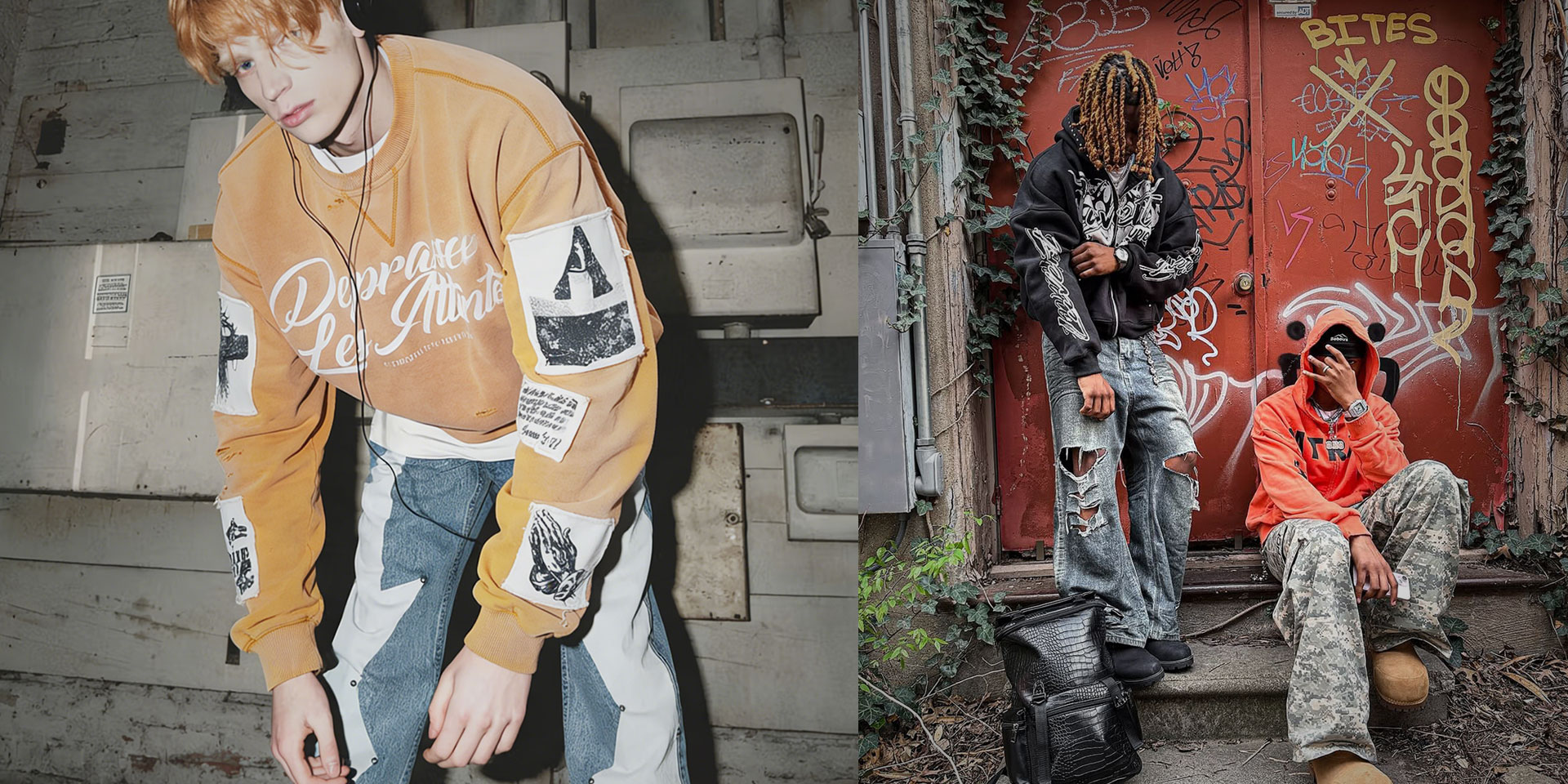 custom streetwear manufacturer Groovecolor streetwear manufacturer OEM streetwear manufacturer streetwear manufacturers Groovecolor