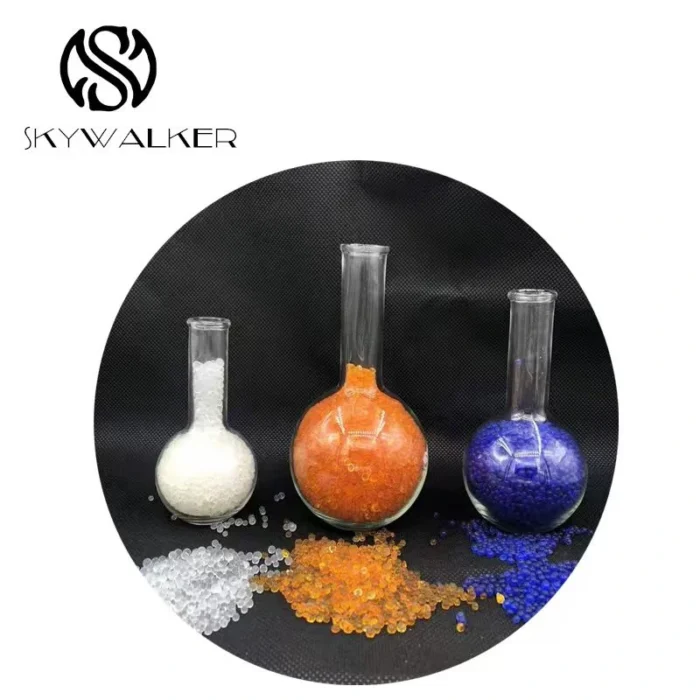
Recognizing modified decolorizing aggregate obligates a deep scrutiny of its characteristics. This singular substance is generally executed in the purification of fats, efficiently clearing defects. The processing procedure typically involves electrical treatment, improving its absorption power to collect colored pigments. Eventually, this manual will uncover the science behind activated bleaching earth and its purposes.
Clarifying Soil Suppliers: Selecting the Suitable Company
Establishing a established provider of absorbent clay is crucial for many domains, particularly those involved in chemical purification. Identifying the suitable source requires comprehensive consideration beyond just fee. Appraise their performance in clay distribution, their assurance procedures, and their capacity to consistently satisfy your required amount needs. A trustworthy bleaching earth source will also offer guidance and a variety of formulations to match your particular application.
An Principle Behind Treated Purifying Clay
Processed bleaching clay, a cornerstone in the refining operation for edible oils, functions through a fascinating assembly of concrete and chemical engagements. Initially, naturally occurring kaolinite is activated – a process involving heat and compounds – to drastically increase its surface extent. This expanded surface furnishes an immense number of sites for the careful adsorption of color pigments, blemishes, and adverse odor compounds. The mechanism is primarily molecular adhesion, where molecules are held by weak van der Waals bonds, though some molecular adsorption can also occur with certain components. This results due to a significant diminution of color and enhancement of the oil's appearance and essence.
Clarifying Material - Properties and Roles
Clarifying material, frequently termed kaolinite, shows unique properties that transform it remarkably important across broad variety of industries. Its foremost attribute is its extraordinary whiteness, resulting from its reduced inclusion concentration. This attribute constitutes it apt for tasks necessitating a vivid visual aspect. Beyond its pigmentation, whitening aggregate is generally malleable and exhibits distinguished non-rigidity, making possible it to be smoothly crafted. Frequent implementations consist of manufacturing creation, elastomer support, clinical preparations, aesthetic products, and as an desiccant factor in multiple technological operations. Likewise, it finds implementation in earthenware and dye industries.
Finding the Most Suitable Activated Whitening Aggregate for Your Applications
Deciding on the ideal refining material can be a advanced process, as multiple applications entail individual properties. Consider the kind of material you’re operating on; some earth are superior for botanical oils, while distinct groups are optimized towards bleaching earth supplier fish fats. Criteria like granularity and cleaning performance significantly influence effectiveness.
- Appraise the pigmentation and bouquet power of the element to establish the necessary clarification amount.
- Analyze the spread; minuscule particles generally supply expanded surface area, but may generate removal challenges.
- Interpret the moisture content as it impacts the material’s purifying capability.
Absorbing Clay: Production Processes and Evaluation
The development of bleaching earth, a widely utilized component for oil refining and chemical purification, involves several key actions. Initially, smectite is quarried and then subjected to treatment via heat exposure and/or chemical manipulation. This system enhances the retentive properties of the substance. Afterward, rigorous quality tests are implemented, covering assessments of grain size distribution, fatty substance adsorption efficacy, and humidity content. High-tech analytical procedures, such as particle size analysis and recognized evaluation, are used to guarantee a uniform good that meets stringent guidelines.
Eco-friendly Sourcing of Processed Bleaching Mineral
The escalating demand for activated bleaching earth presents a significant challenge regarding its generation and environmental effect. Typical sourcing methods can give rise to habitat degradation and lessening of natural resources. Consequently, an emphasis towards sustainable sourcing is vital. This involves adopting practices like reforestation of mined areas, recycling waste byproducts from other industries for generation, and partnering with provincial communities to maintain ethical and principled mining activities. Furthermore, authentication schemes and strict examination processes are essential to authenticate that the clay is secured in a truly sustainable manner. Points should also include controlling electricity consumption during operation and liquid usage.
- Greening efforts
- Utilizing waste materials
- Collaborating with local communities
- Authentication schemes
Whitening Compound Source List: Foremost Businesses Rated
Discovering a consistent clay supplier can be a problem, but our comprehensive database aims to ease the process. We’ve meticulously aggregated data and sorted leading businesses in the bleaching earth field. This manual highlights distinguished producers known for their product and assistance, allowing consumers to source the excellent source for their particular needs. Numerous factors, including throughput, catalog, and customer reviews, were assessed in determining these prime classifications.
Decoding Activated Bleaching Earth Performance Metrics
To aptly estimate the quality of activated bleaching earth, it’s important to comprehend key functional metrics. These parameters often include color rating, typically measured using a meter, which expresses the earth’s ability to extract color from oils. What’s more, acid index is vital, as it regulates the bleaching process; a higher magnitude usually correlates with improved decolorization capabilities. Finally, absorbent area, often determined via BET analysis, directly impacts the earth’s capacity to adsorb colorants, ultimately determining its overall bleaching power.