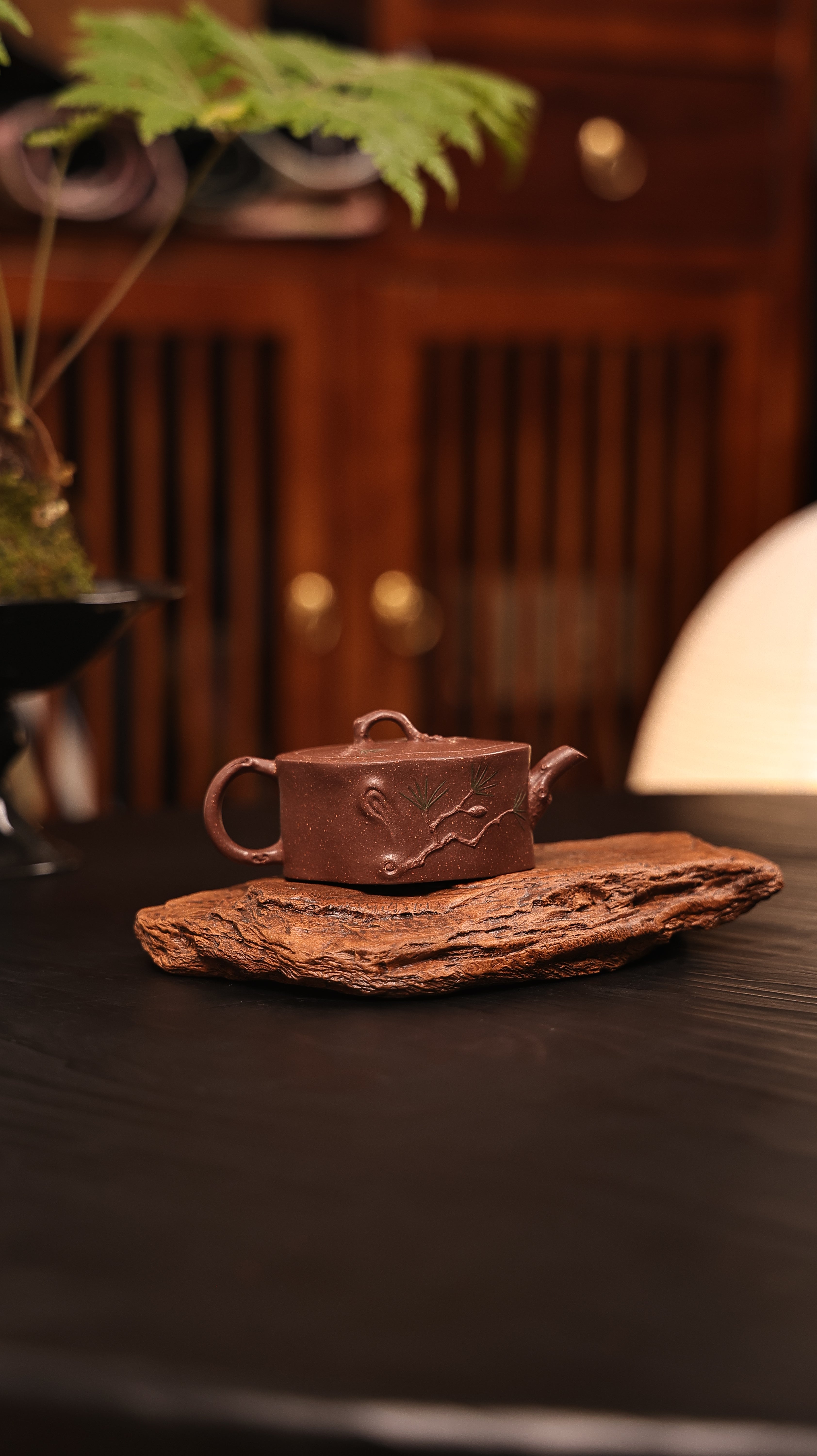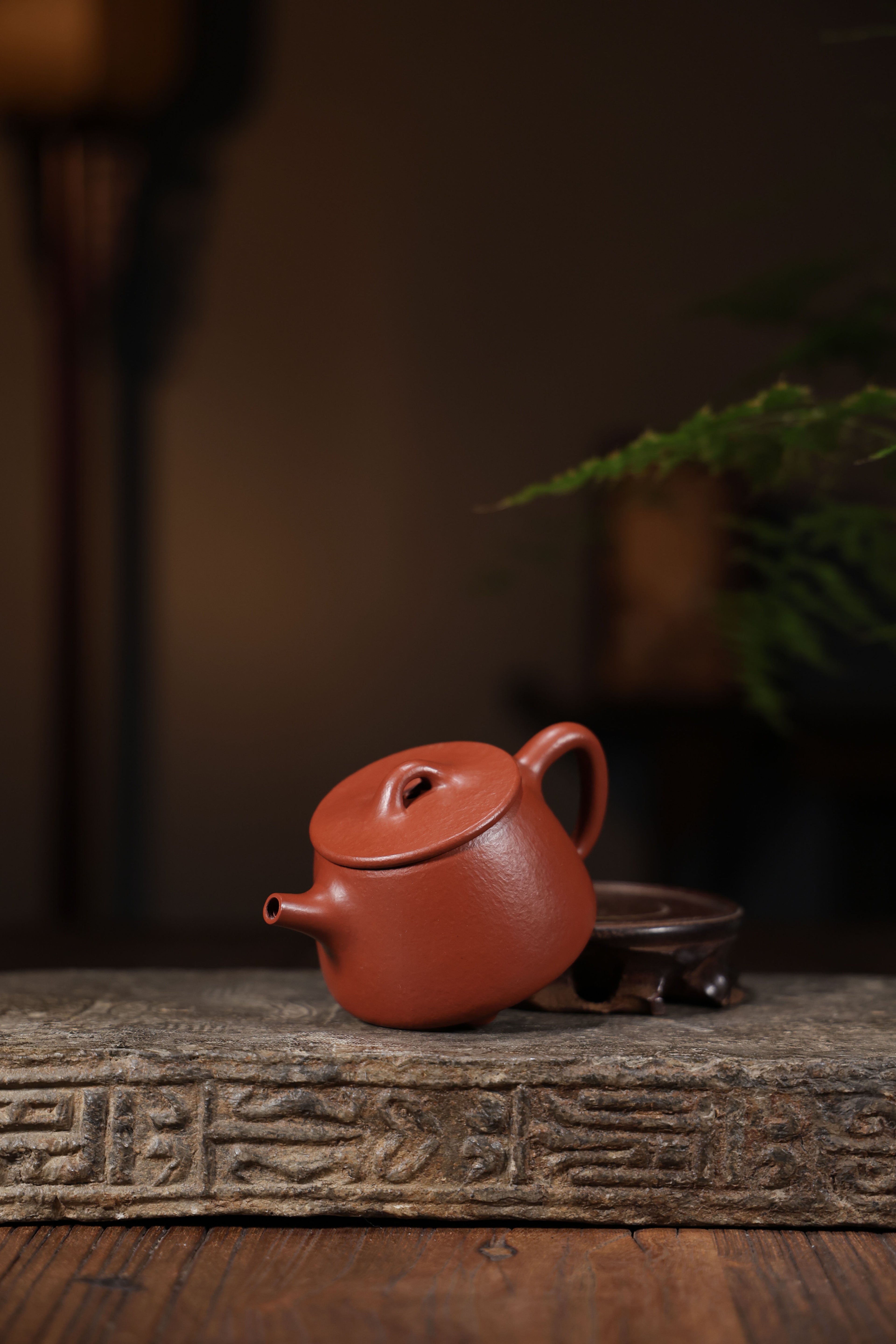
Millennia in fans have long cherished the particular magnetism of Yixing Zisha pitchers. Founded in the modest town of Yixing, the territory, these earthenware are formed from a peculiar and mined purple clay noted for its unmatched thermal characteristics and aptitude to boost the flavor of extracts. Outside of their operative merit, Zisha teapots manifest a solid heritage tradition, designating them notably cherished and a true wonder for any ardent teapot fan.
Exploring Yixing Containers
Authentic teapots embody a singular mixture of history and artisan craftsmanship. Existing in Yixing, Jiangsu Area of China, their narrative dates back the Ming Dynasty, although signs suggest earlier iterations. The exceptional auburn clay, called Zisha, found exclusively in the Yixing region, is the fundamental component, contributing to the pots' exceptional heat keeping and the manner they alter the quality of tea. Dynasties of potters have perfected techniques—often conveyed through families—including shaping the clay, applying decorative embellishments, and firing the pots at exact temperatures.- At first, Yixing teapots were often decorated with simple designs.
- In due course, more intricate carvings and iconographic motifs became widespread.
- The baking procedure itself is a essential element, requiring years of knowledge.
Accumulating Zisha Teapots: Critical Aspects
Starting a expedition to collect Zisha pots can be gratifying, but it’s crucial to recognize what to consider. Authenticity is key; focus on the soil’s natural tone, a earthy reddish-brown is regular. Examine the surface; genuine Zisha has a special tactile sensation, often noted as slightly uneven. The contour should be symmetrical and consistent with classic styles, while stamps, if present, require scrupulous examination for genuineness. Don’t delay to consult with expert connoisseurs or dependable references – their expertise is irreplaceable.
Oriental Teapots: Delving into the Custom of authentic Purple Ware
Eons have seen Yixing Rare Clay teapots hold a unique role in Chinese history. These meticulously formed pots, sourced specifically from the locale of Yixing, are famous for their unique color, consistency, and their ability to refine the essence of beverages. A multitude of collectors chase antique Yixing teapots, treasuring them profoundly not only for their aesthetic loveliness, but also for the heritage they stand for.
Yixing Zisha Teapots: Unique Foremost Classes and Their Traits
Purple Earthenware teapots, sourced from the authentic locale of Yixing, this nation, are renowned for their distinctive clay and unparalleled brewing characteristics. In the diverse Zisha types, specific categories that are highly valued include Qingtian. Binzhou, known for its strong purple shade and velvety texture, delivers a soft flavor. Duan Ni clay, recognizable by its reddish color and partially grainy feel, is assumed to enhance the weight. Lastly, Zhuni Zisha boasts an exceptional carmine tone and can give a sweet nuance. Each category delivers a different experience, facilitating them notably desirable with beverage enthusiasts.
Understanding Personal Zisha Cup
To realize the beauty of your Yixing jar, comprehending the correct technique is necessary. These clay kettles, celebrated for their absorbency, will eventually retain the flavor of the tea you formulate within them. Begin by cleaning the jar thoroughly with boiling water. Then, use only high-quality fresh leaf tea, as lower quality options can harm the object’s delicate essence. Always allow the leaves to develop completely, and remember that with each use, your Yixing pitcher will become increasingly valued.
Maintaining Your Rare Zisha Artifact
Proper upkeep for your Zisha kettle is crucial to maintaining its quality and value. Zisha clay, famed for its unique nuance and consistency, requires considerate handling. Never use strong solutions, as these can damage the layer. After every action, rinse the vessel with gentle warm water and allow it to air out completely.
- Shun soaking the jar for extended durations.
- Intermittently use a soft rag to dress the exterior.
- Evaluate applying a thin layer of food-grade vegetable oil inside the pot after drying, which can limit staining.
Fundamentals of Yixing Kettles
Yixing teapots, originating from the Yixing locale in Jiangsu Province, the Chinese territory, are celebrated for their distinctive peculiarities. Made from the unique purple ground known as Zisha, these earthenware are prized by concoction enthusiasts worldwide. This introduction will concisely explain the foundations – covering categories of Zisha clay, common shapes, and crucial care notes. Understanding the roots of Yixing jars can improve your appreciation for this esteemed example of Oriental craftsmanship.
Technique of Eastern Pots: Highlighting Zisha sourced from the Yixing district
Zisha soil from this city of Yixing represents the culmination of Eastern jar design, featuring a unique combination of earthy beauty and practical artistry. These exceptional pieces are famed for their vibrant hues, often covering rich purples and red hues to soft greys and light beiges. The distinct mineral composition of the area’s Zisha earth imparts a typical texture and creates a agreeable aroma that enhances the overall extract experience, affording them notably cherished collectibles and indispensable components of any serious ritual.