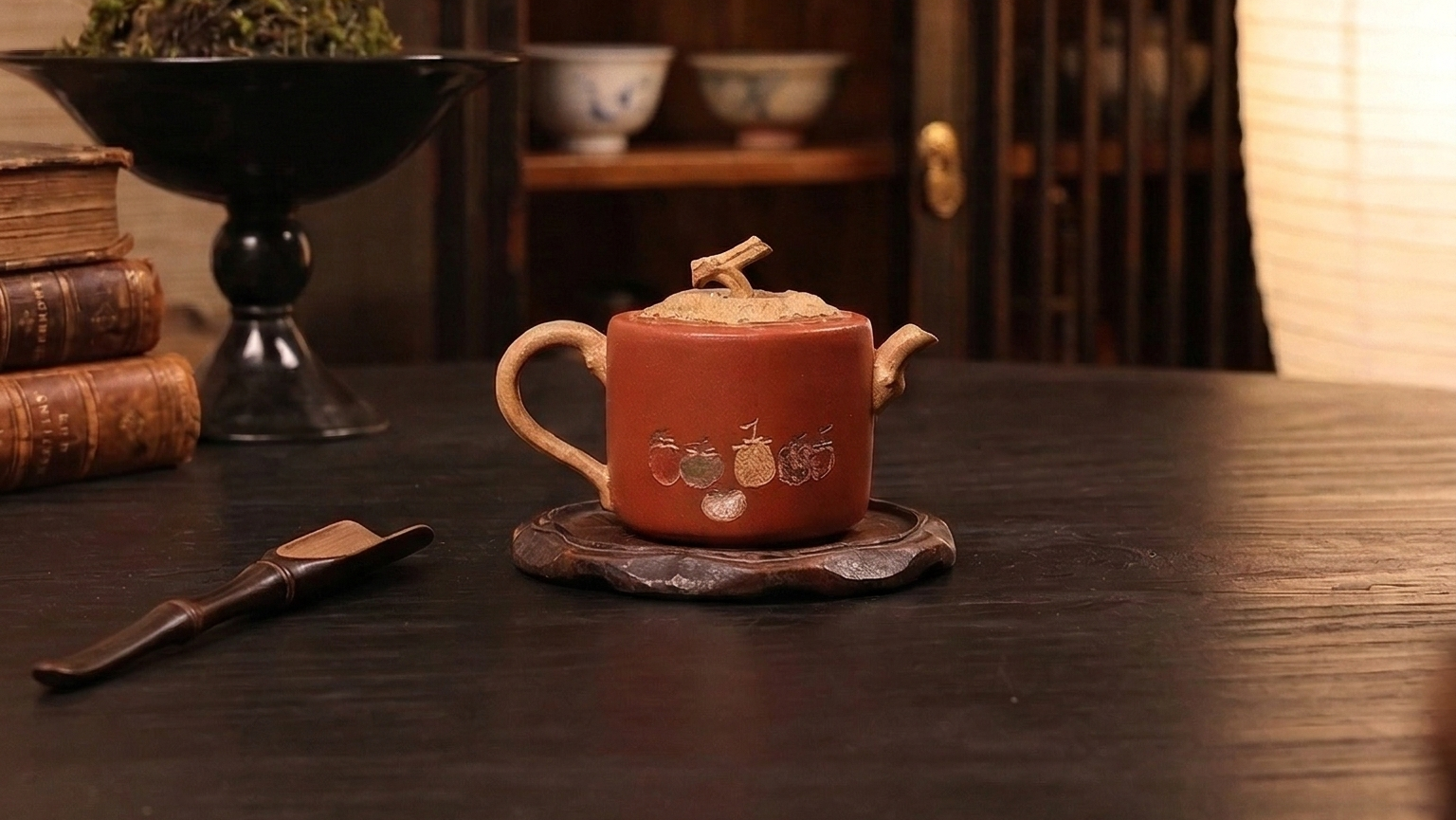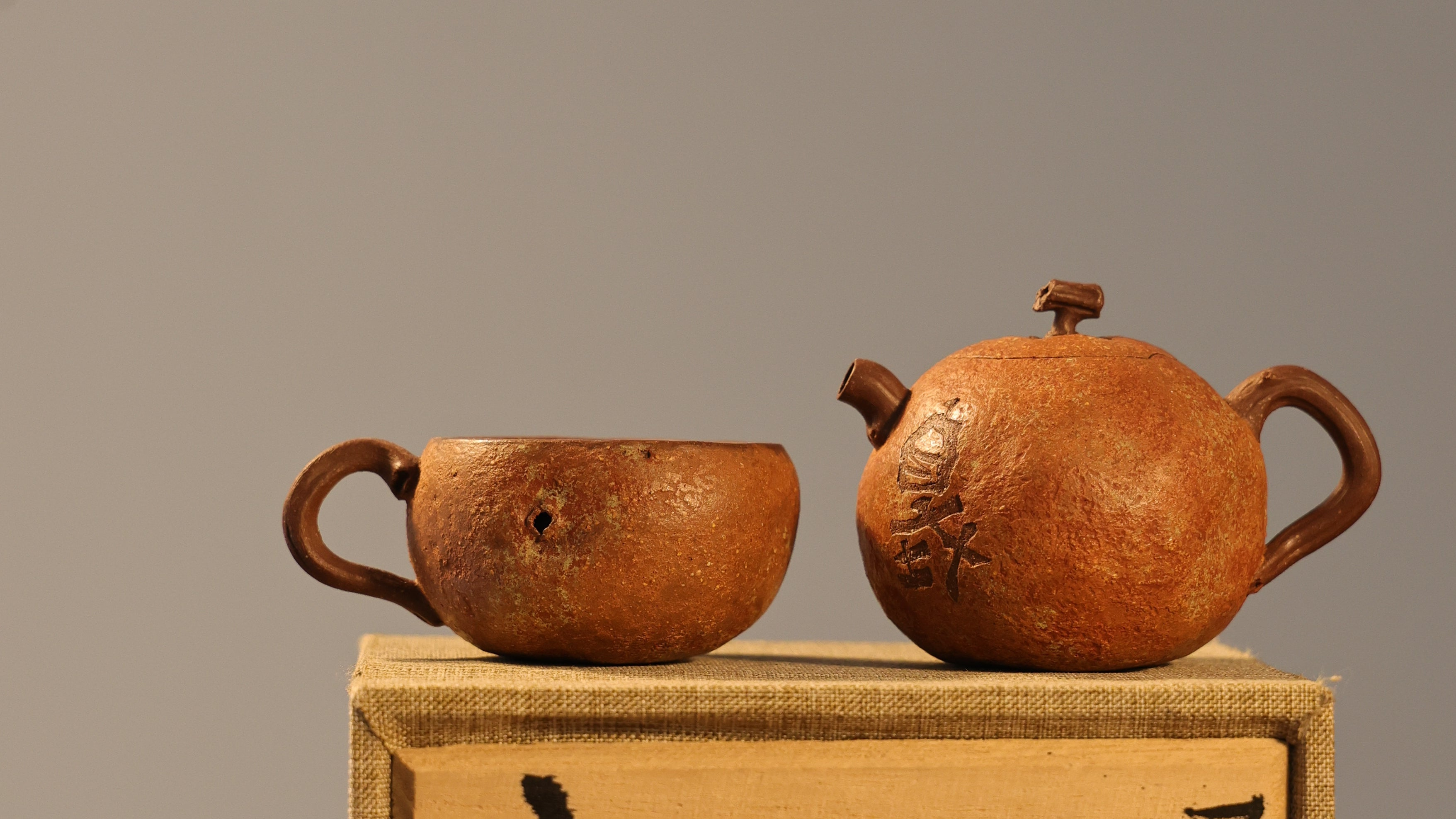
Within the sphere of enduring traditions,
During millennia, aficionados have been enthralled by the unique charm of Yixing Zisha kettles. Originating from the area of Yixing in Jiangsu, these pieces are renowned for their outstanding beauty, infrequent clay, and essential ability to raise the bouquet of tea. The clay's distinctive purple-brown hue, combined with the artistic handiwork of native craftsmen, creates products that are equally functional crafts and esteemed properties. Possessing a Zisha teapot is more than just certain purchase; it's seizing a rich ethnic heritage.
Grasping Yixing Teapots: Narrative, Forms, and Merit
The notable Yixing teapots serve as a deep heritage deeply intertwined with Chinese culture. Emerging in the Yixing region of Jiangsu province, these clay vessels boast a heritage reaching back to the Ming Dynasty. First examples were functional, but throughout centuries, Yixing teapot making evolved into an esteemed art form. The clay itself, known for its unique feature and ability to modify the flavor of the tea, persists a defining factor. Yixing teapots manifest in various patterns, broadly categorized by shape: Conventional such as Zhuni (purple clay) and Bisheng, as well as more designs. The importance of a Yixing teapot turns on several factors, including the potter’s prestige, the age of the piece, the rarity of the clay, and its aesthetic merit.- Origins: Ming Dynasty
- Element: Different forms
- Assessment Factors: Historical period
Zisha Craftsmanship: Craft and Artisans
This development of a true Zisha teapot is a demanding process, requiring decades of competency. Experienced artisans meticulously select the premier Zisha clay, a rare earth found only in specific regions of China. Traditional techniques, often conveyed through families, involve exacting shaping, sophisticated carving, and steady firing in ancient kilns. The definitive teapot isn't merely a container; it's a testament to expressive vision and the significant connection between the sculptor and their roots. Each piece showcases the distinctive touch of the maker, resulting in a truly matchless work of creation.
The Clayware: Discovering the Broad Heritage of the Yixing Territory
The Yixing City, established in Jiangsu the region, is extensively renowned for its exceptional clay pots – a tangible representation of centuries of Chinese craftsmanship. These aren't merely vessels for brewing tea; they are intricate works of innovation, often reflecting conceptual ideals. This unique purple clay, known as Zisha Teapot Zisha, possesses notable qualities: this material dense, absorbent, and imparts a subtle tone to the tea.
- Numerous households have honed the techniques of Yixing earthenware making, passing down ancient methods through epochs.
- Followers prize these pieces for their elegance and oddity.
- Particular vessel tells a legend, connecting the recipient to a rich past.
Considering Yixing Zisha: What to Look For
As examining get Yixing Zisha teapots, multiple considerations call for careful review. In the first place, the earth's tone is vital; authentic Zisha habitually exhibits a definite brick undertone. Moreover, assess the workmanship; sharp characteristics and a silky covering show competent construction. Concluding, research the maker’s history; esteemed names bring increased premiums and often guarantee a stable return.
How to Brew Premium Tea with Zisha Clay
Creating appetizing tea with a Zisha jar is more surpassing a simple technique; it's an mastery. Zisha clay, famous for its unique geological composition, imparts a nuanced character to the brewed tea that’s often lacking with other devices. The appropriate water intensity is necessary; typically, softer than what's used for black tea, to retain the tea's aroma and zest. Consider scrupulously the tea kind; delicate green teas or aged pu-erhs excel from the Zisha’s ability to smooth their inherent edge. It’s imperative to condition the teapot stringent to brewing, and to refrain from over-steeping. Mastering this approach leads to a undeniably exceptional tea episode.
- Learning Zisha Clay
- Thermal Condition of Water & Variety of Tea
- The Importance of Pre-warming
Sustaining Your Renowned Vessel
Intending to sustain the existence of your precious Yixing earthenware, careful protection is fundamentally important. Forgo using chemical cleaners; instead, softly immerse it with moderately heated liquid. Dodge significant swings; please don't situate the container directly onto a heated foundation. Periodically, condition the urn by infusing it with choice aged steep, as this aids to strengthen its personality and guards the inimitable essentials of the earth.
With respect to Material to Receptacle: The Process of a Traditional Vessel
The creation of a Zisha teapot is a noteworthy process, a expression to both the ecosystem’s bounty and the ability of the specialist. It commences with the thorough extraction of the unique clay from the magenta Zisha mines by Yixing. This unfired material, known for its remarkable essences, is then gradually filtered and organized for the primary forming. The jug's silhouette is carefully developed using a concoction of ancient modeling strategies, often incorporating intricate embellishments. Following ripening, the jug undergoes a critical first firing, preceded by a varnishing stage, which might involve a series of layers of pure Zisha coatings. Finally, a second, and sometimes third, firing at extreme temperatures finishes the product, revealing its resolved beauty and exceptional characteristics - a genuine masterpiece, prepared to beautify a tea tradition.
{Yixing Teapots: A Exemplar of a Culture and Admiration
Renowned Yixing teapots, originating from the distinguished Yixing region of Jiangsu province, are far more than mere earthenware for brewing liquids; they represent a substantial aspect of Chinese identity. Manufactured from distinctive purple clay – zisha – these unique teapots are highly prized for their ability to improve the flavor of the tea and, crucially, for their aesthetic appeal. The legacy of Yixing teapot making spans centuries, and the craft involved is transmitted through generations, making each teapot a beautiful object that embodies long-established techniques and a profound appreciation for the modest pleasures in life.