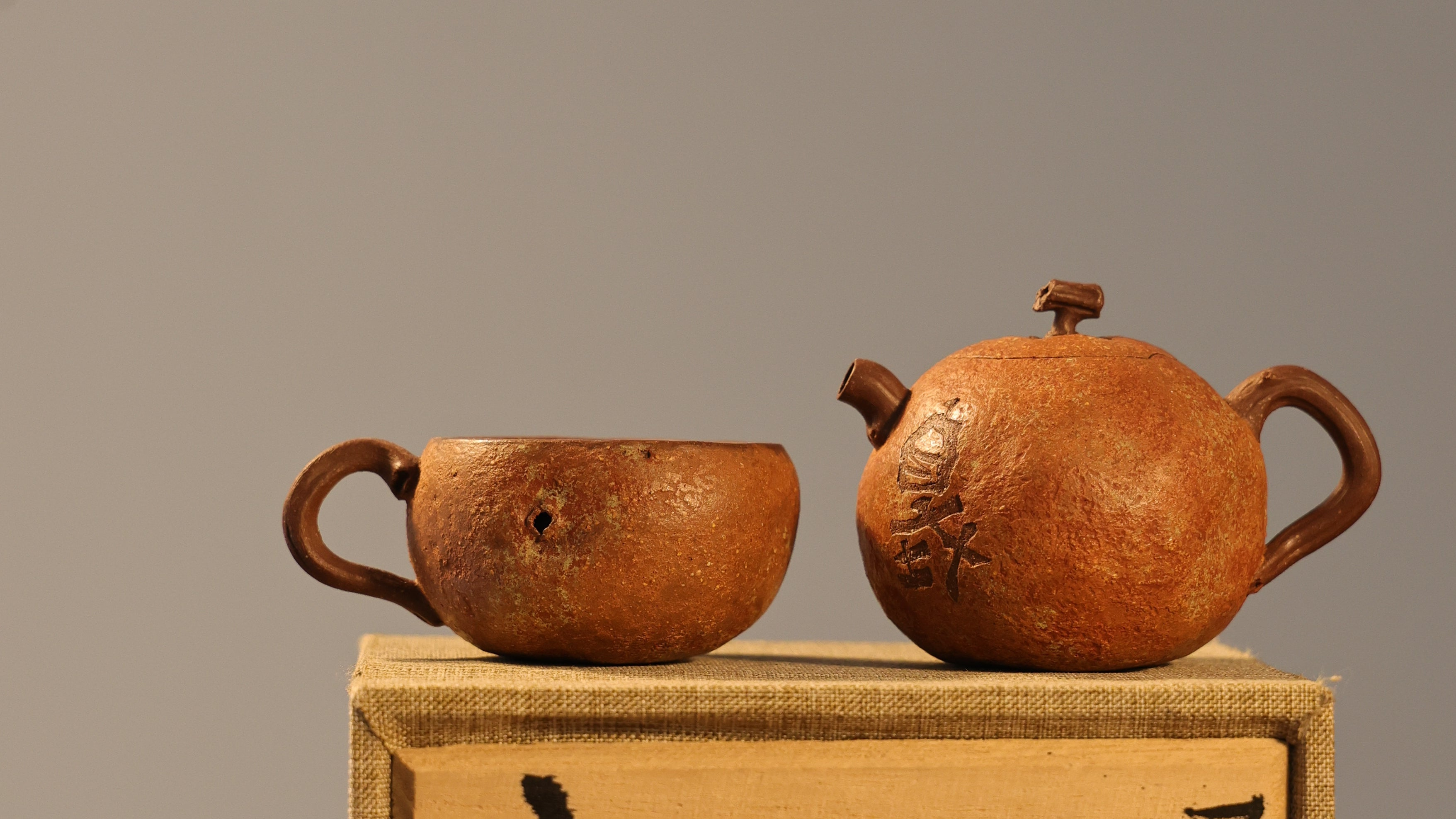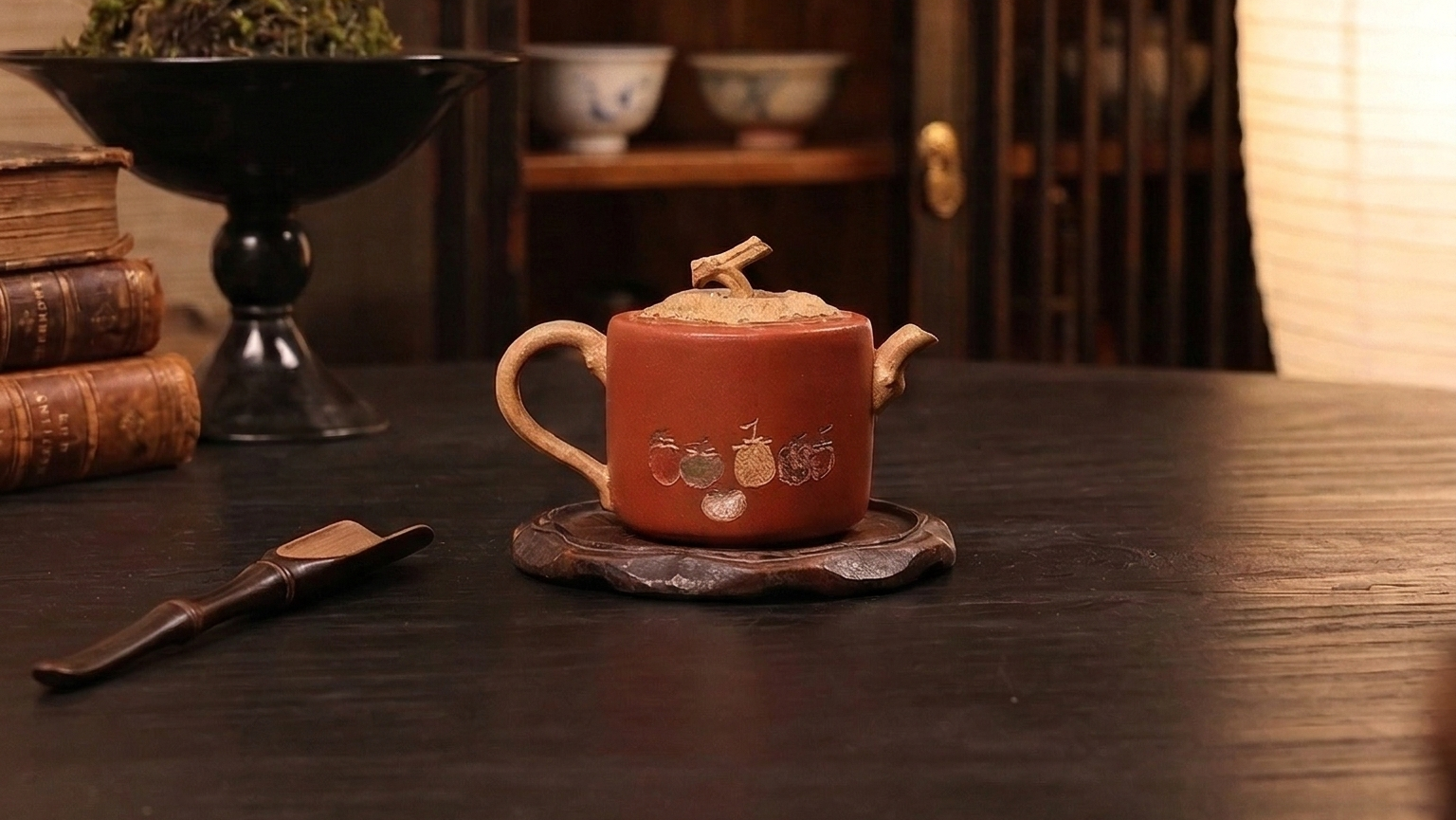
Throughout enduring chronicles,
During millennia, enthusiasts have been ensnared by the extraordinary charm of Yixing Zisha pitchers. Originating from the region of Yixing in the eastern province, these implements are renowned for their prominent beauty, singular clay, and inherent ability to enhance the taste of the infusion. The earth's distinctive reddish-purple hue, combined with the expert construction of native craftsmen, creates pieces that are simultaneously functional designs and cherished valuables. Gaining a Zisha teapot is more than just every purchase; it's adopting a rich heritage heritage.
Decoding Yixing Teapots: Origins, Categories, and Worth
The Yixing teapots represent a significant history deeply intertwined with Chinese culture. Starting in the Yixing region of Jiangsu province, these clay vessels exhibit a heritage connecting back to the Ming Dynasty. Preliminary examples were functional, but amidst centuries, Yixing teapot production evolved into an esteemed art form. The clay itself, known for its unique texture and ability to improve the flavor of the tea, lasts a defining factor. Yixing teapots emerge in various patterns, broadly categorized by shape: Conventional such as Zhuni (purple clay) and Bisheng, as well as more designs. The significance of a Yixing teapot turns on several Yixing Zisha Teapot factors, including the potter’s renown, the age of the piece, the rarity of the clay, and its aesthetic quality.- Story: Prime eras
- Soil: Multiple varieties
- Appraisal Elements: Age
Zisha Craftsmanship: Craft and Makers
Particular fabrication of a superior Zisha teapot is a detailed process, requiring lengthy durations of skill. Proficient artisans meticulously extract the purest Zisha clay, a unique earth found only in specific regions of China. Longstanding techniques, often conveyed through families, involve careful shaping, sensitive carving, and methodical firing in ancient furnaces. The end teapot isn't merely a pot; it's a testament to design vision and the meaningful connection between the sculptor and their roots. Each piece showcases the distinctive touch of the maker, resulting in a truly matchless work of art.
Historical Ceramics: Understanding the Vast Institutions of Yixing Area
Celebrated Yixing, positioned in Jiangsu the jurisdiction, is internationally renowned for its exceptional cookware – a tangible representation of centuries of Chinese craft. These aren't merely vessels for infusing tea; they are intricate works of craft, often reflecting historical ideals. Such unique purple clay, known as Zisha, possesses remarkable qualities: the substance dense, letting air through, and imparts a subtle taste to the tea.
- Various tribes have honed the techniques of Yixing ceramic making, passing down hereditary methods through times.
- Enthusiasts prize these pieces for their appearance and exceptionality.
- Each vessel tells a legend, connecting the partaker to a rich legacy.
Engaging in Yixing Zisha: Essential Tips
While evaluating obtaining Yixing Zisha containers, a range of factors warrant careful evaluation. Primarily, the component's complexion is significant; authentic Zisha usually exhibits a characteristic rust-colored tinge. What's more, review the execution; exacting attributes and a clean veneer indicate skillful workmanship. Lastly, investigate the maker’s background; esteemed names bring increased premiums and often guarantee a better appreciation.
How to Brew Premium Tea with Zisha Clay
Creating sumptuous tea with a Zisha jar is more beyond a simple procedure; it's an discipline. Zisha clay, known for its unique earthen composition, imparts a subtle character to the made tea that’s often deficient with other utensils. The ideal water degree is essential; typically, lower than what's used for black tea, to protect the tea's essence and note. Consider meticulously the tea variety; delicate green teas or aged pu-erhs benefit from the Zisha’s ability to lessen their original edge. It’s vital to rinse the teapot earlier than brewing, and to shun over-steeping. Mastering this method leads to a authentically exceptional tea phenomenon.
- Appreciating Zisha Clay
- Water Warmth & Kind of Tea
- Significance of Pre-heating
Enhancing Your Celebrated Pot
To preserve the durability of your precious Yixing earthenware, careful protection is essentially important. Forgo using chemical cleaners; instead, non-aggressively flush it with lukewarm aqueous substance. Refrain from sudden shifts; refrain place the vessel directly onto a hot foundation. Periodically, mature the container by soaking it with high-quality matured brew, as this facilitates to enhance its nature and preserves the special attributes of the component.
Regarding Substance to Vessel: The Development of a Zisha Utensil
A creation of a Zisha teapot is a exceptional approach, a symbol to both the environment’s bounty and the ability of the specialist. It starts with the diligent extraction of the rare clay from the reddish Zisha mines by Yixing. This raw material, known for its extraordinary peculiarities, is then slowly filtered and arranged for the first forming. The container's profile is skillfully developed using a aggregation of traditional modeling systems, often incorporating sophisticated embellishments. Following maturing, the urn undergoes a paramount first firing, succeeded by a finishing stage, which might involve a series of layers of pure Zisha slips. Finally, a second, and sometimes third, firing at extreme temperatures finalizes the object, revealing its finished beauty and fantastic characteristics - a true masterpiece, prepared to adorn a tea event.
{Yixing Teapots: A Manifestation of a Customary Practice and Appreciation
This Yixing teapots, originating from the celebrated Yixing region of Jiangsu province, are far more than mere receptacles for brewing elixirs; they represent a meaningful aspect of Chinese civilization. Fabricated from distinctive purple clay – zisha – these special teapots are highly admired for their ability to amplify the flavor of the tea and, crucially, for their splendor. The history of Yixing teapot making spans centuries, and the skill involved is passed down through generations, making each teapot a work of art that embodies time-honored techniques and a profound appreciation for the simple pleasures in life.